
The Little River Watershed

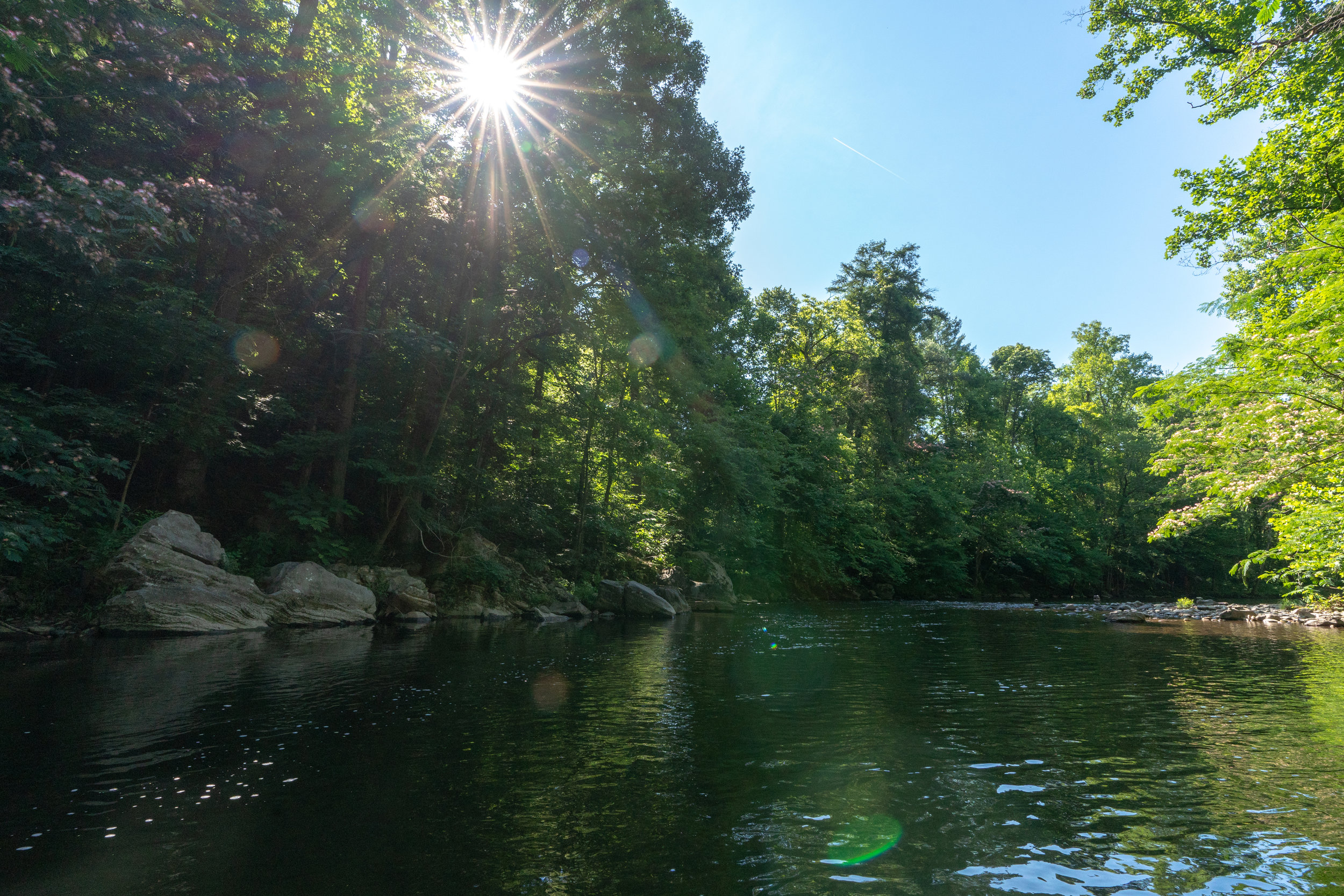
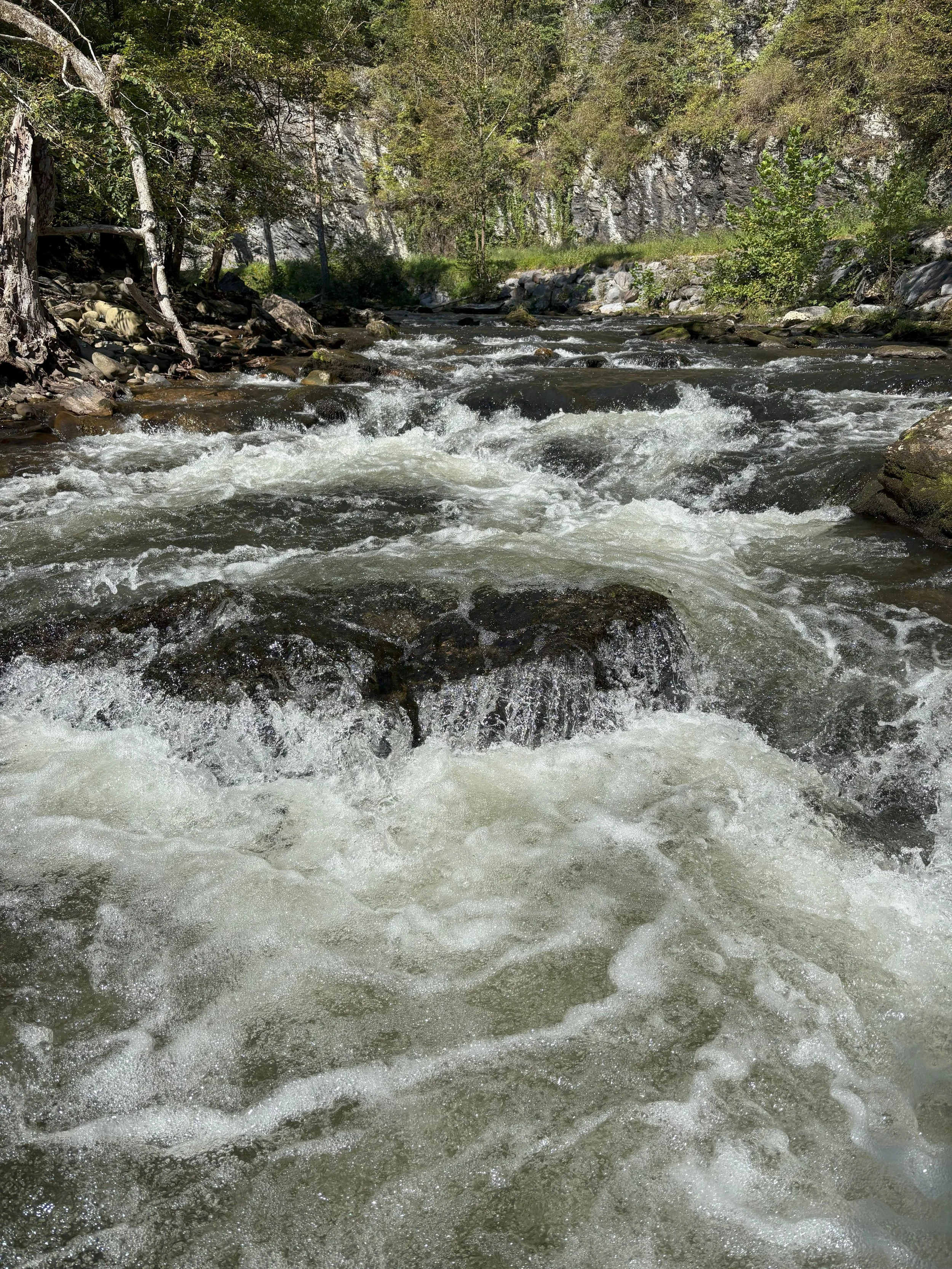
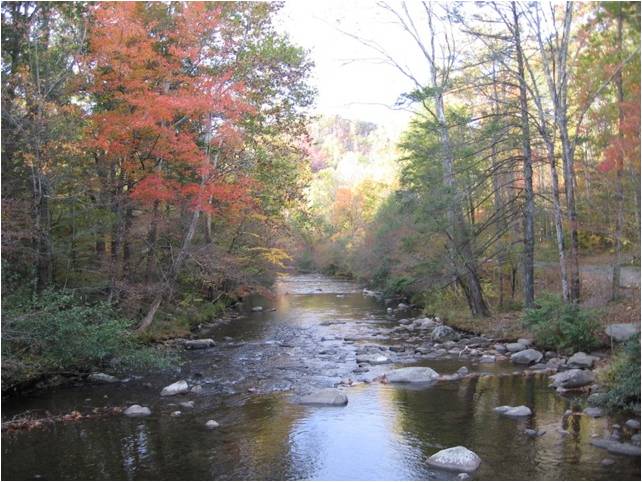
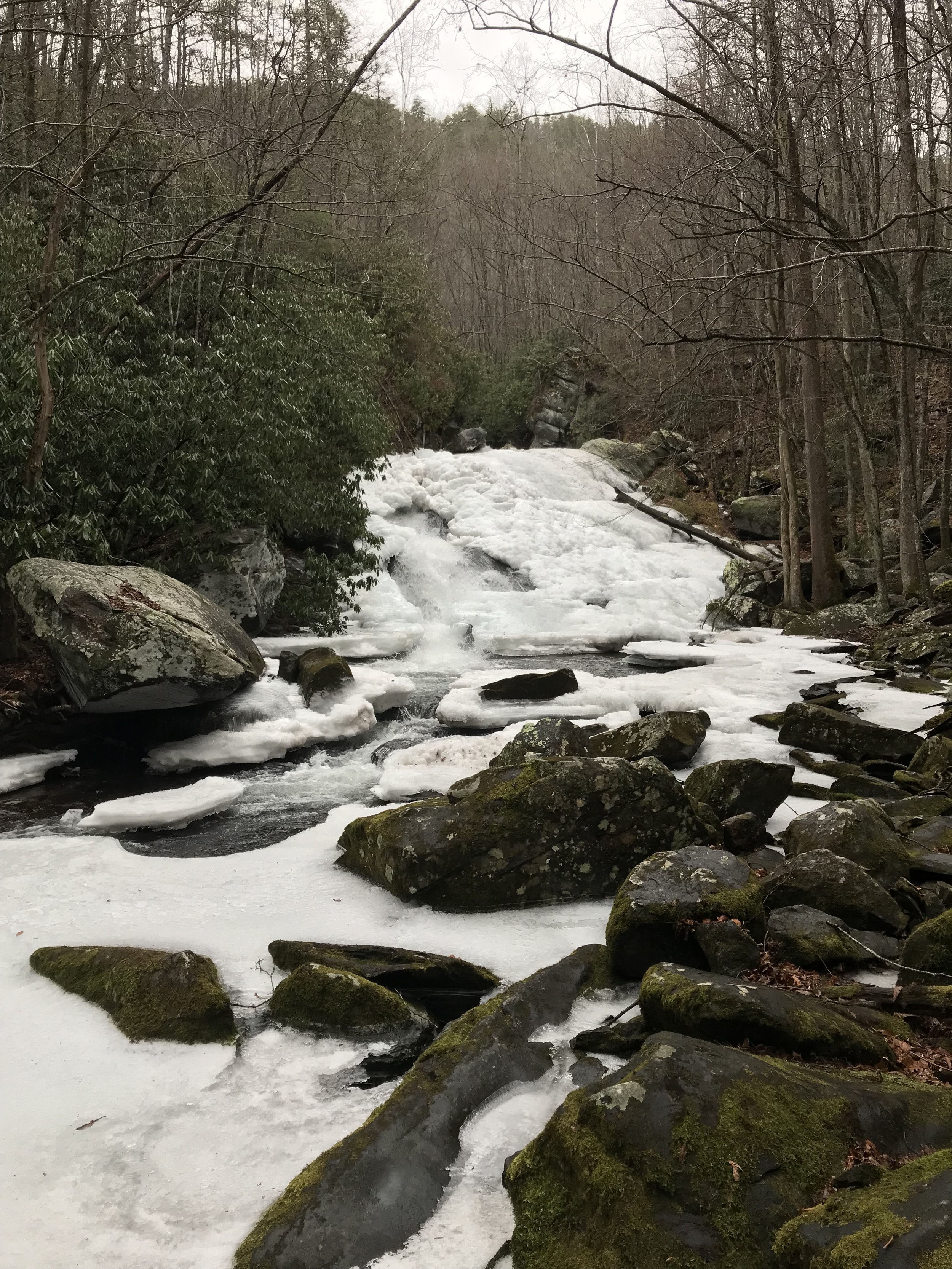
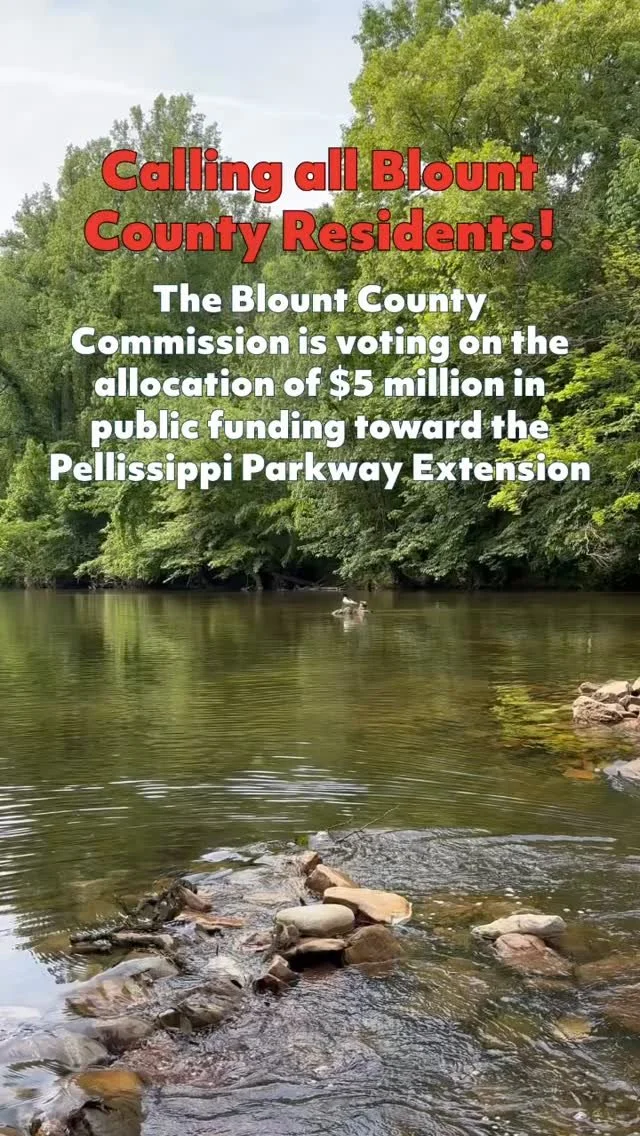
The Little River originates in the Great Smoky Mountains National Park at Clingman’s Dome at over 6,600 feet in elevation and flows 60 miles through the cities of Townsend, Alcoa, and Maryville and portions of Blount, Knox, and Sevier Counties in the state of Tennessee. ). It drains a 380-square-mile area originating from the Great Smoky Mountains National Park eventually draining into Fort Loudoun Reservoir. It is the main influence contributing the Fort Loudoun Reservoir. The majority of the Little River Watershed is within Blount County. Stock Creek Watershed, a tributary to the Little River, is the portion of the Little River Watershed which is primarily located in Knox County.  Ninety percent of the Stock Creek watershed falls within the jurisdiction of Knox County.

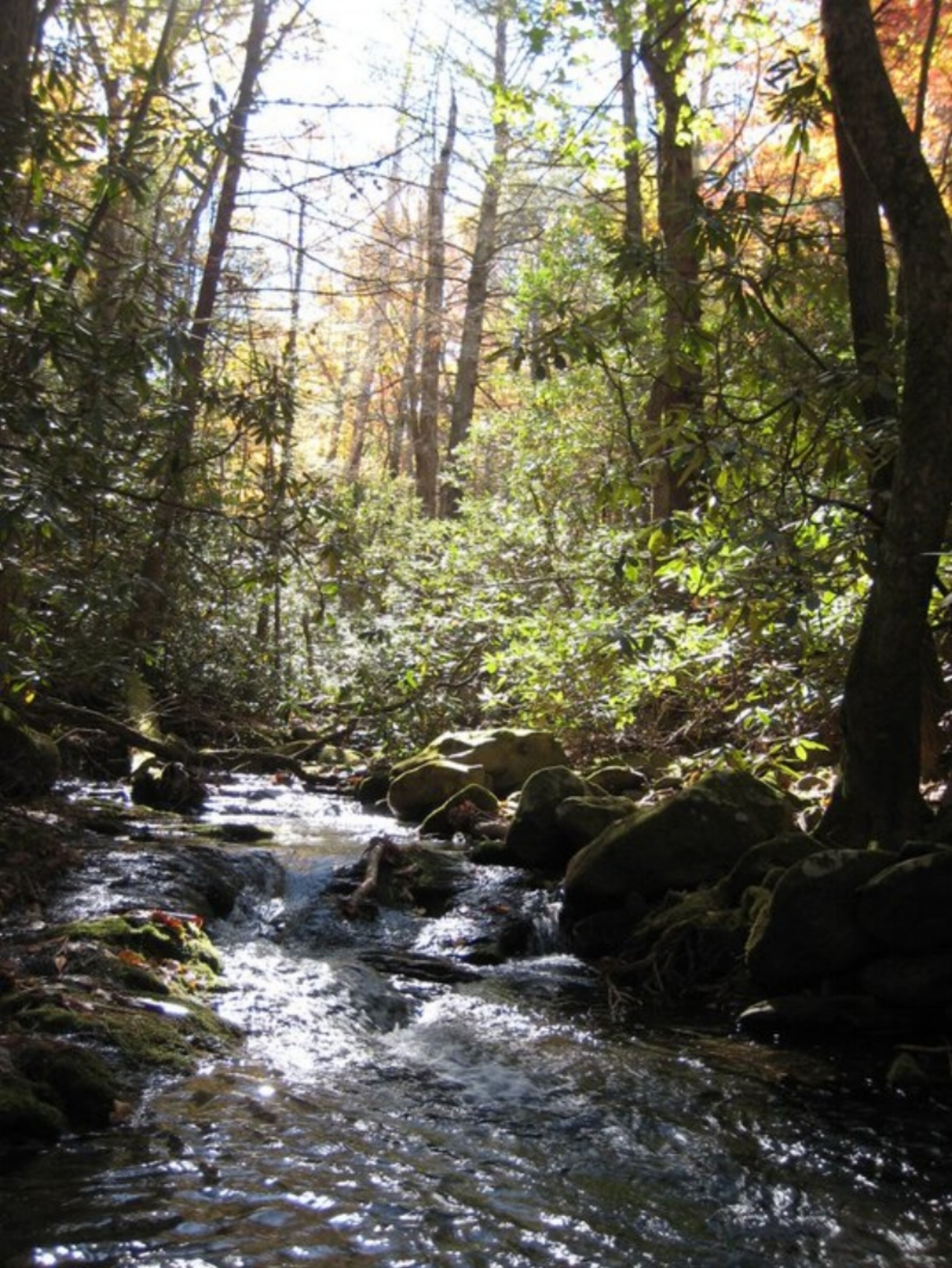
The portion of the Little River within the Great Smoky Mountains is classified by the Tennessee Department of Environment and Conservation (TDEC) as an Outstanding National Resource Water (ONRW) and an ecoregion reference site. The ONRW designation means it has the highest degree of protection and no new discharges, expansions of existing discharges, or other regulated activities that would cause degradation may be permitted in these waters. The Little River supplies drinking water to 100,000 residents in Blount County and adds millions of dollars in recreation tourism to the local economy.

Most of the Little River Watershed is located in Blount County, one of the most rapidly developing counties in Tennessee. Blount County’s population is expected to grow approximately 40,000 by 2020 to reach 143,000. This rapid growth and development of the area will increase demands on our water resources. For these reasons, the Tennessee Department of Environment and Conservation has classified the Little River as threatened [2004 305 (b) report]. This threatened designation means that if current trends continue, within five years the Little River will be impaired.

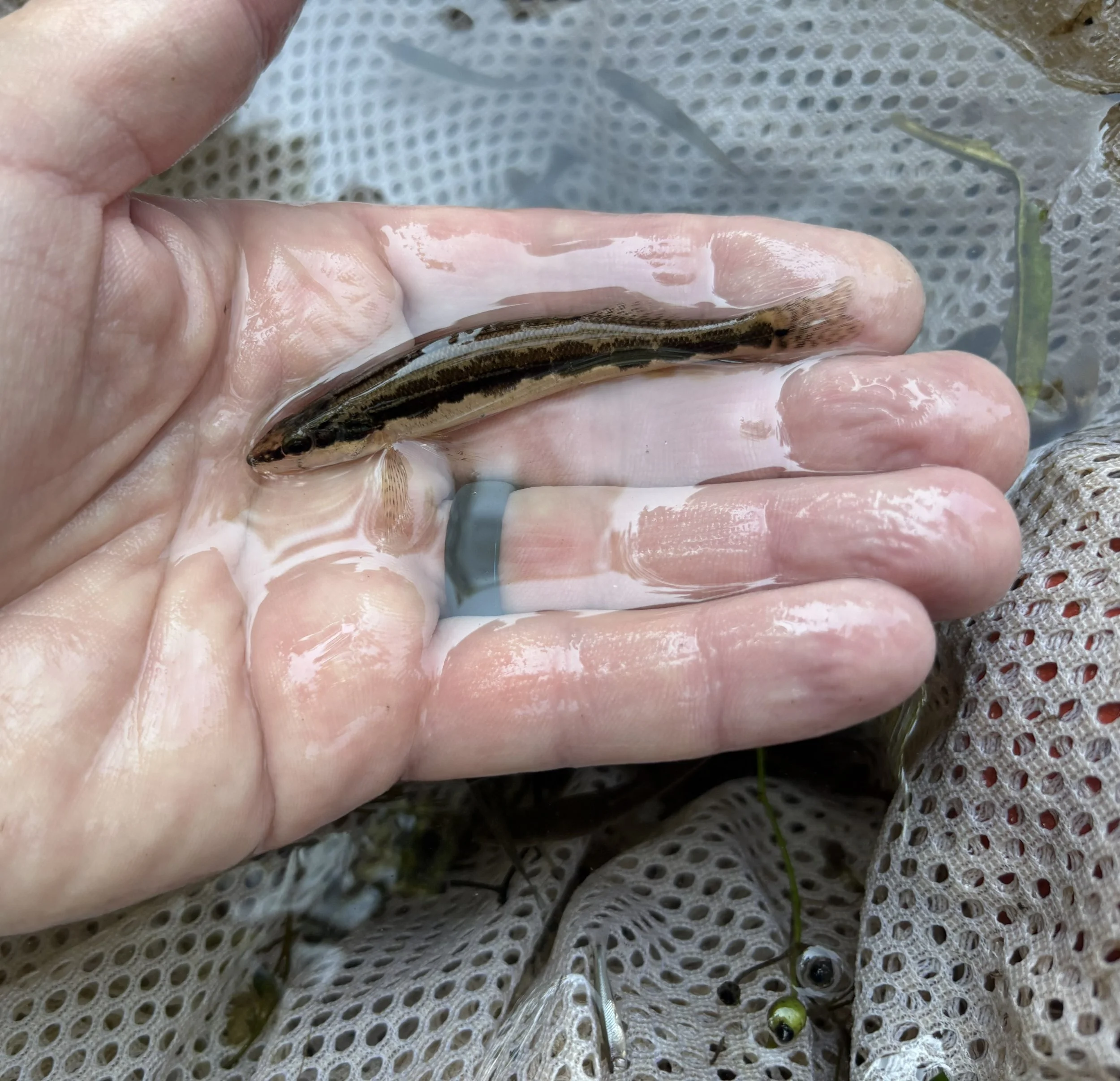
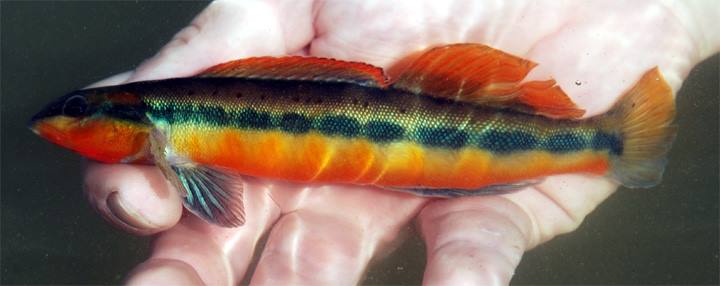
Downstream of the Park, the river is impacted by agricultural and development practices, urban runoff and failing septic tanks. The quality of the river slowly degrades with increasing distance from the Park. In recent years, there has been a documented overall decline in the biological diversity of the Little River downstream from the Park. In response to concerns about deteriorating water quality, local, state, and federal agencies as well as private organizations are working together to improve and protect water quality in the Little River.

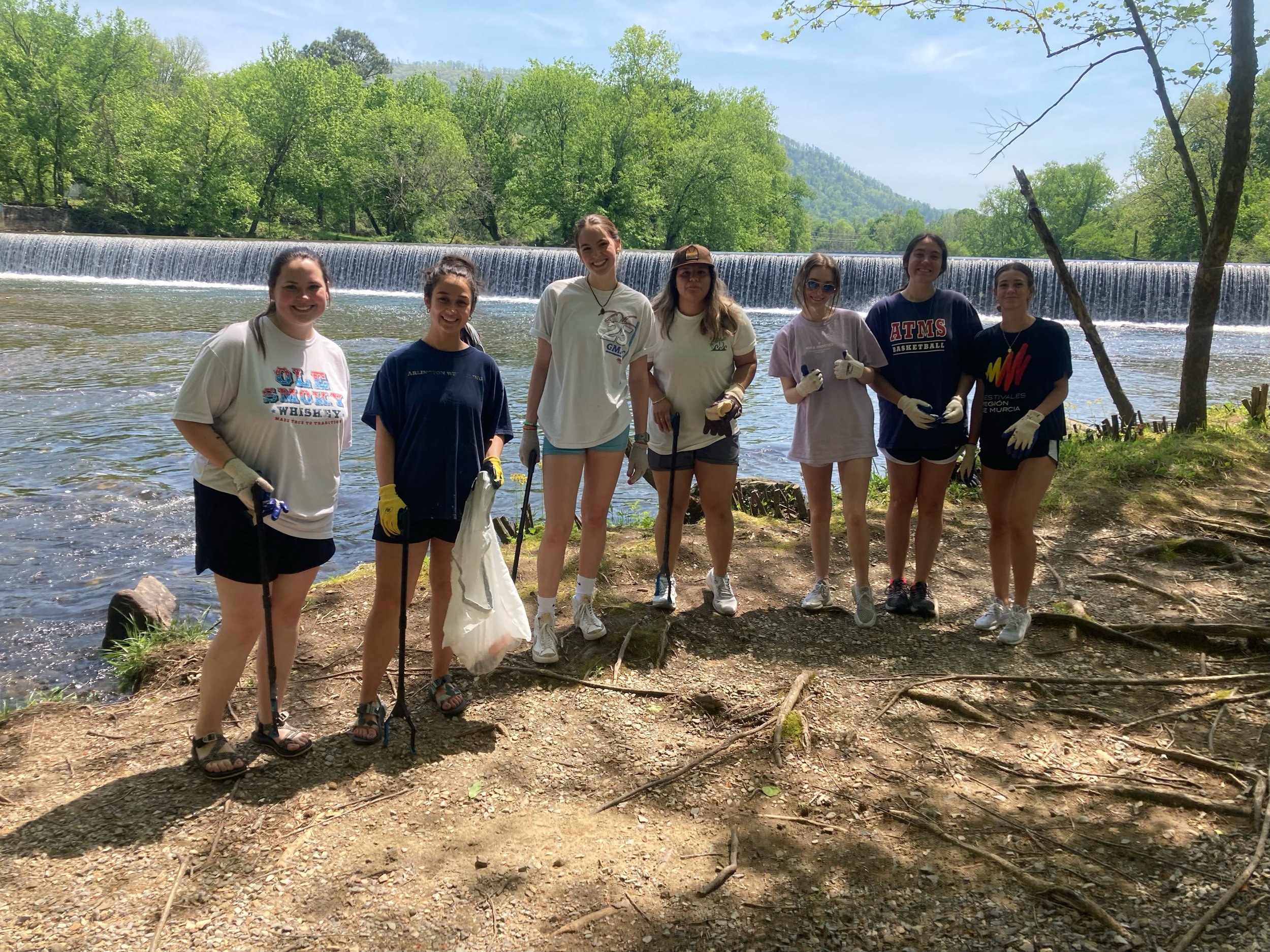
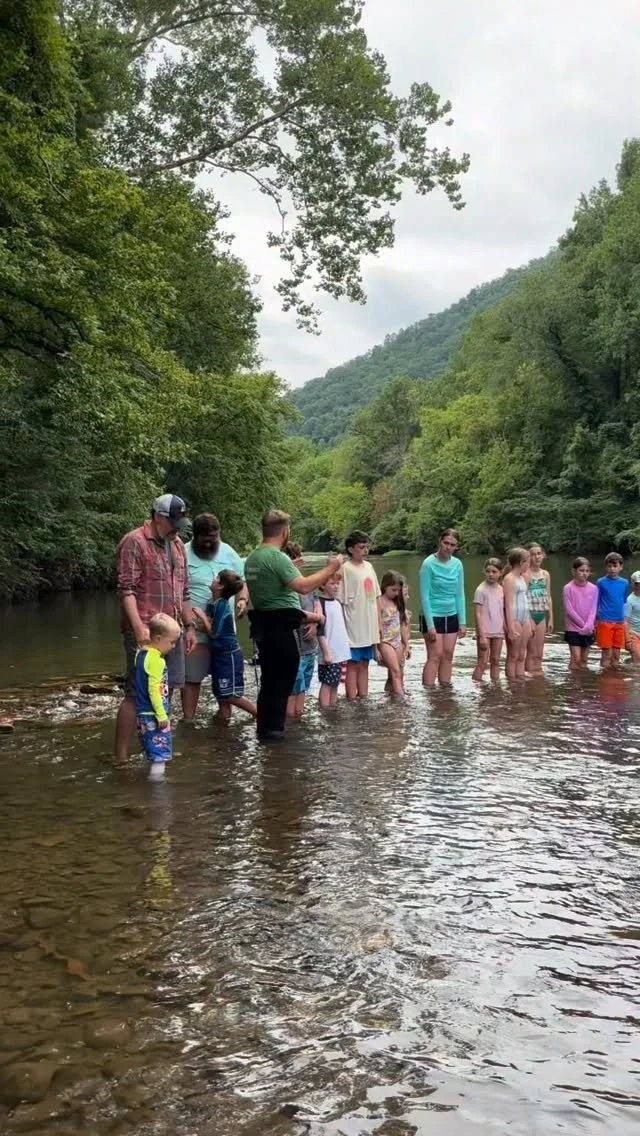
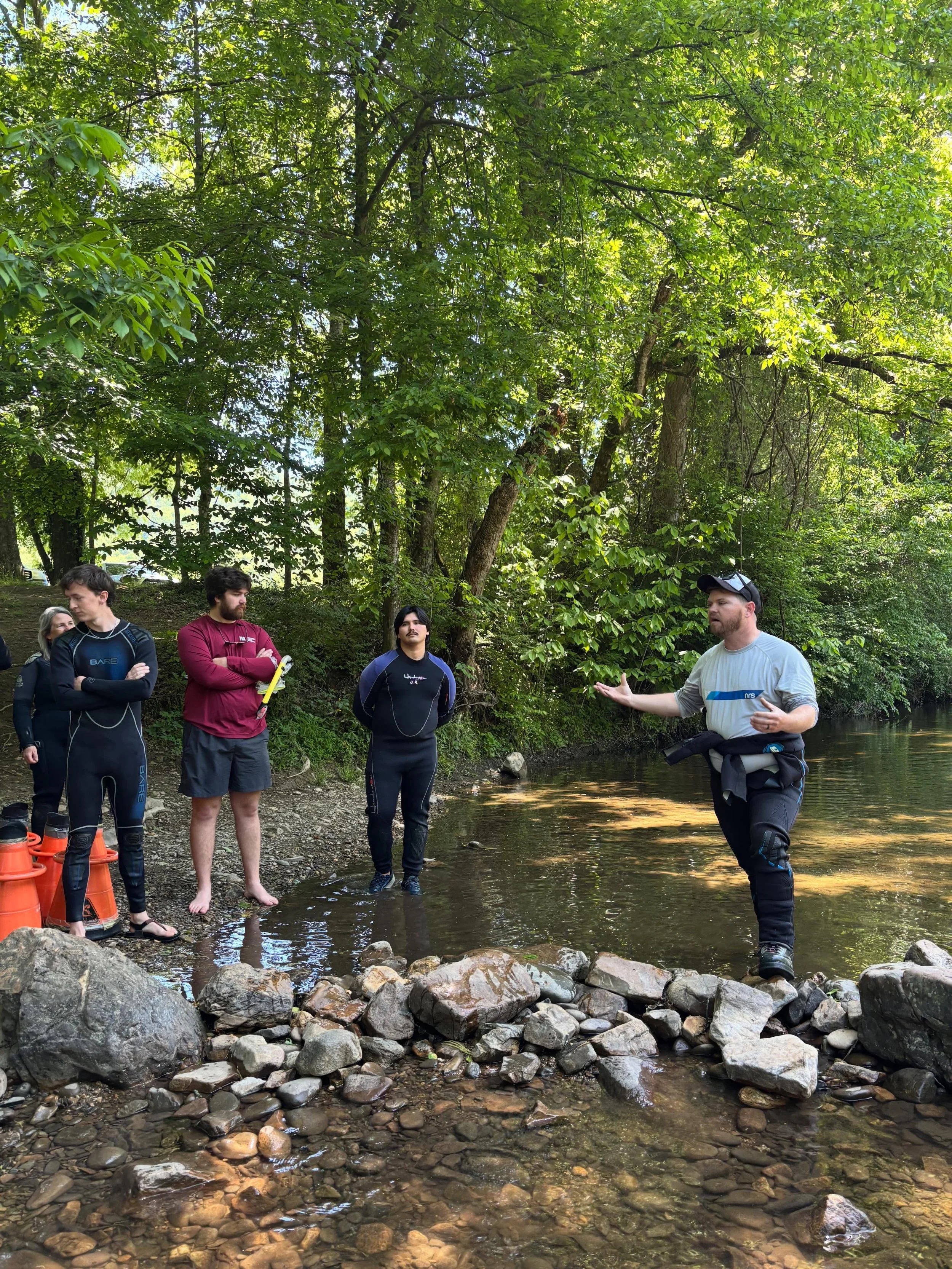
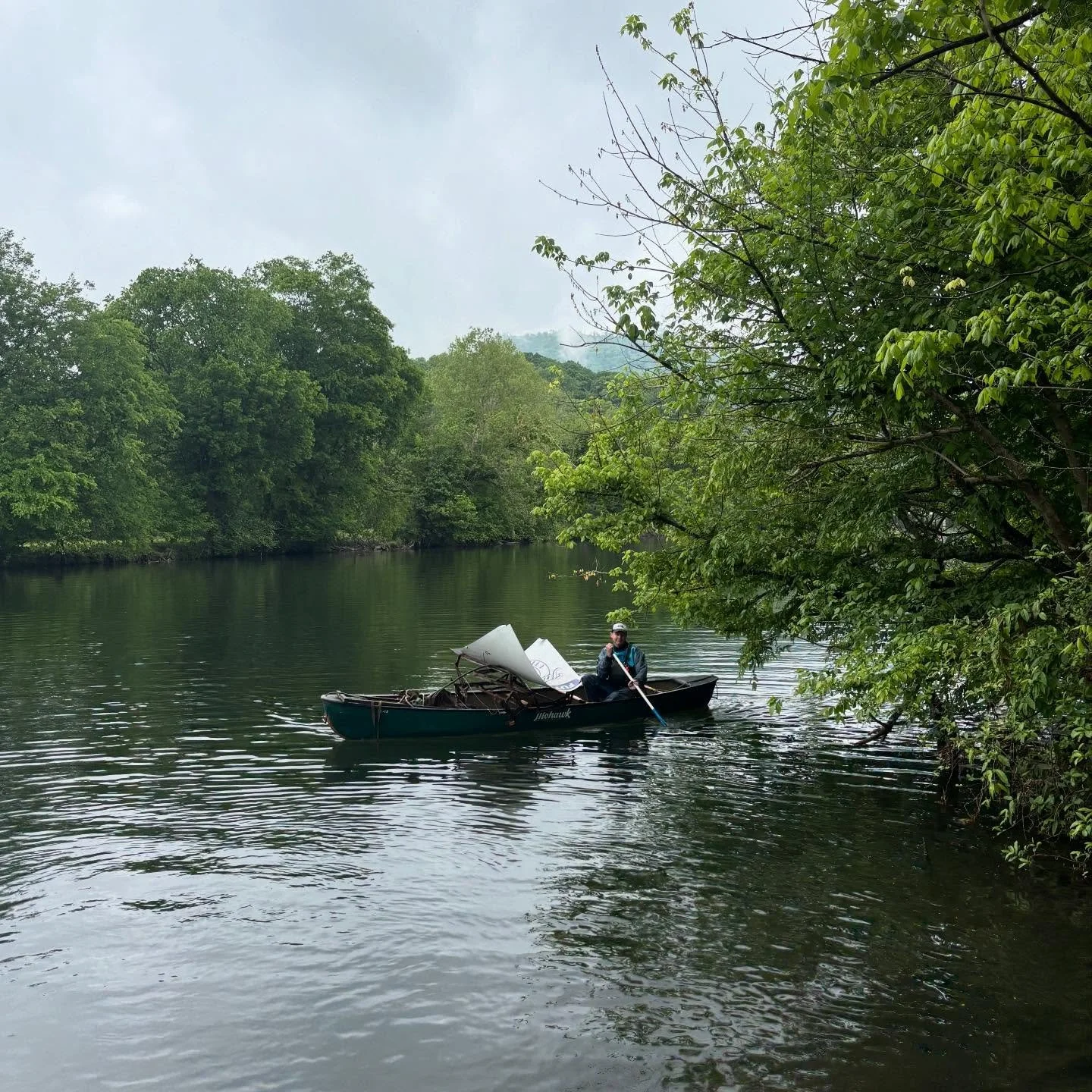
The LRWQF, formed in 1998, has acquired several million in grant sources that has resulted in cooperative water quality assessments, development of an Integrated Pollutant Source Identification (IPSI) and Pollution Load Model (PLM), demonstration and promotion of agricultural best management practices, provided cost-share and technical assistance, assist farmers plan and implement conservation practices on their farms, addressing urban pollution sources through education of homeowners and communities, and use a public participatory planning process through each jurisdiction stormwater programs. LRWQF also has provided overall water quality education and awareness through clean up events, environmental awards, volunteer monitoring, and canoe trips.

Several streams in the Little River watershed are listed by the state of Tennessee as not supporting water quality standards (Section 3.2). Of the 640 total stream miles within the Little River Watershed, the TDEC has classified 230 stream miles as impaired [2004 303(d) report]. The listed stream impacts are primarily from sediment and bacteria.

Rapid residential and commercial development threatens to further deteriorate the quality of the Little River. TDEC has classified 18 miles of the Little River as threatened due to a documented decline in species diversity. This 18-mile section supports several protected aquatic species, provides municipal water for most of Blount County, and is heavily used for recreational purposes.