Little River Corridor Project
River corridors are best protected by land owners. Conservation easements are voluntary restrictions on private land development. Easements provide river land owners with a long-term mechanism to restrict future land use and protect riparian zones along the river corridor. Conservation easements are recognized as a tool for protecting water quality, but there remains a fair amount of confusion. Completing a conservation easement can result in significant tax exemptions recognized by the IRS, still most citizens and land owners do not have an understanding of the use of ‘conservation easements’ and how they may personally be able to protect the future land use of their own property.
Owners of river front land have a special opportunity and choice to protect the quality of the river for generations to come – no matter the size of the parcel. With the use of this legal tool, and some understanding of ‘river friendly’ land practices (such as protection of riparian zones utilizing stream buffers) we can provide river protection for generations to come.
Increased awareness and educational efforts, such as these highlighted in the Little River Corridor Project, will result in permanent protection measures for the river.
Completed Alcoa Foundation (Little River Corridor Project) Tasks:
- Informational packets and brochures were direct mailed to river front landowners about conservation easements and stream buffers.
- Brochures:
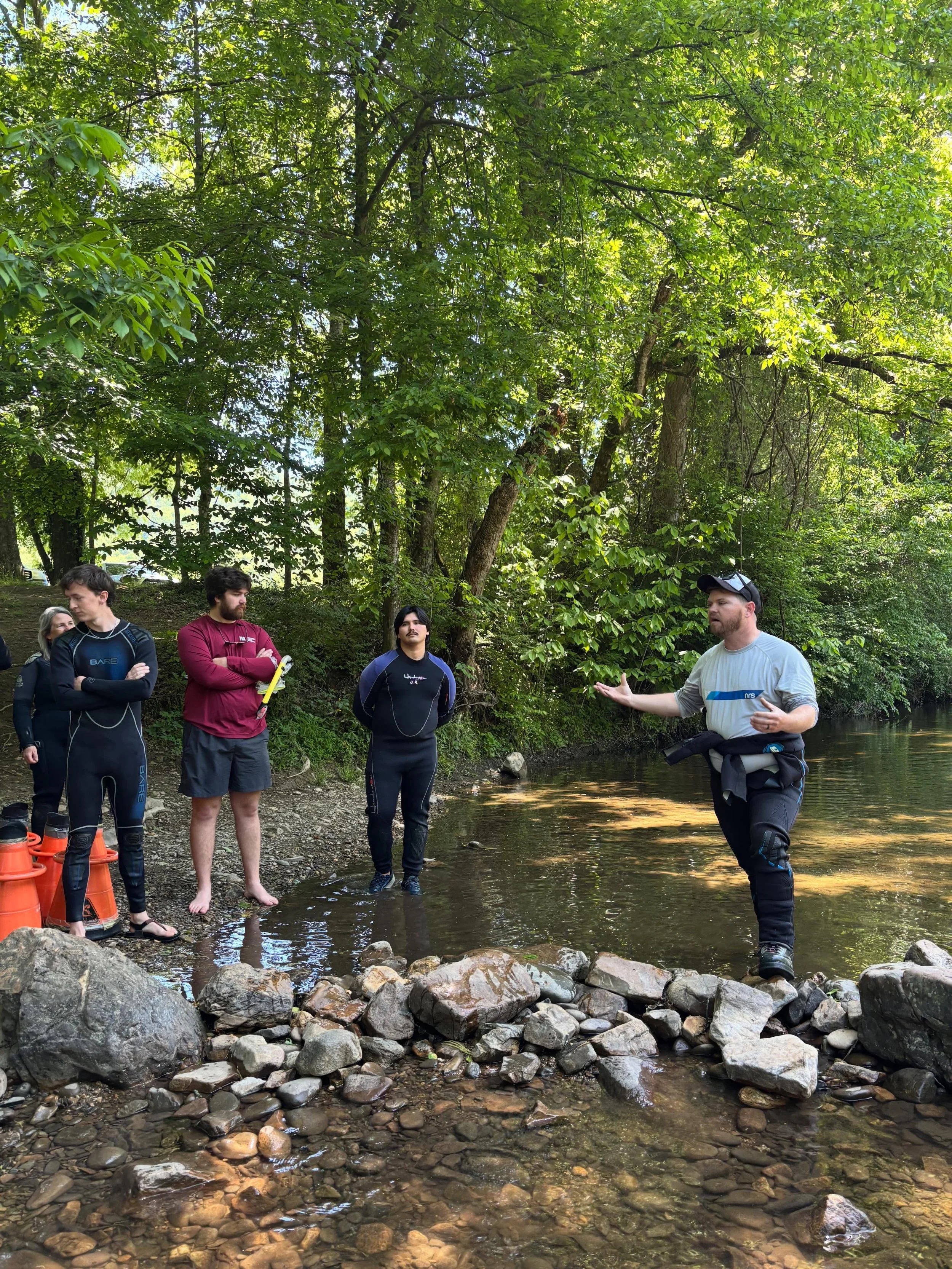
Two community meetings were held to discuss conservation easements, protection of water quality and to showcase new LRWA website and GIS mapping content. Both the LRWA and the FLC had professionals available to discuss issues relating to the grant and to the Little River in general.
With software purchased from this grant, LRWA developed a series of GIS maps for a redesigned website with better focus on interactive mapping and the geography of the watershed and the river corridor.
The new website content includes downloadable maps of the watershed showing common themes such as slope, rainfall, land use, parcel size distribution, impervious surfaces, watershed boundaries and urban growth boundaries. An interactive mapping feature was also developed in coordination with the University of Tennessee. This map tool has a wealth of data collected on the watershed and presented thematically in interactive mapping software. Users can zoom, pan, identify features, select by theme, and print these resources from the Little River website.
The mapping themes include: major and minor watershed boundaries; slope and topography (including area 1:24,000 maps); stream and bank condition, EPA, TVA, and NPS sampling locations; water intake and treatment facilities; parcel data; and a search by ‘school, address, or watershed’ feature. Over time this map will link back to fact sheets at a scale where citizens can learn even more about the smaller sub-watersheds of their own neighborhoods and schools.
If there are any questions regarding any of the content of the grant, or you would like to receive information about stream buffers, water quality best management practices or conservation easements, please call the Little River Watershed Association at 980-2130 or the Foothills Land Conservancy at 681-8326.