
'Informed Community'

Water Sampling Rescheduled

Aug 12th, 2010 by M_Whited

Water Quality Sampling

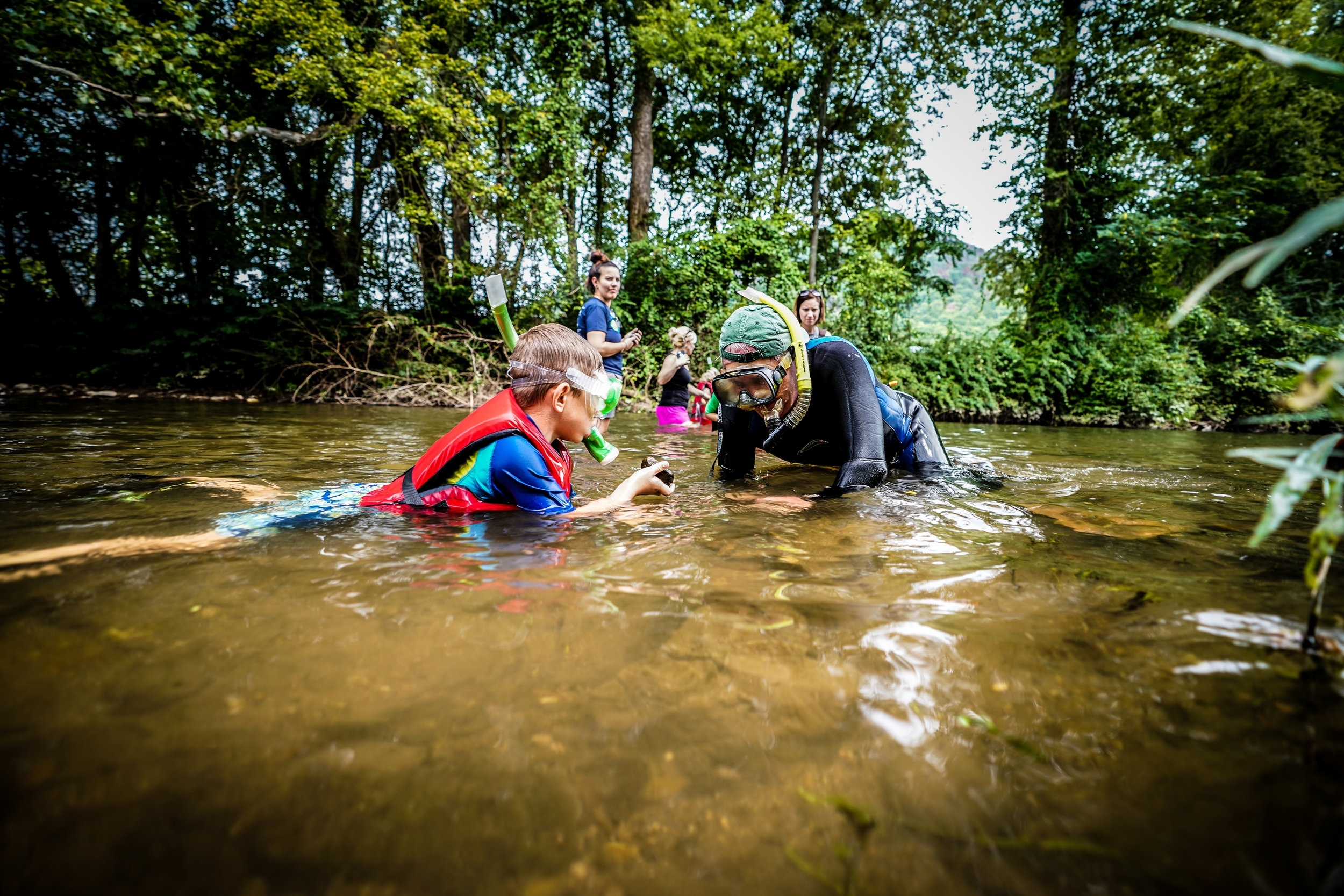
Due to the rainfall last night, the volunteer training to collect water samples today has been rescheduled until Tuesday August 17th at 1pm.  We will meet at the same location at the Special Peoples Park in Townsend.

For a google map of the meeting location follow this link, Special Peoples Park

To sign up as a volunteer follow this link to our website,  http://www.littleriverwatershed.org

For real-time water discharge data of the Little River above Townsend, follow the link below to the USGS website to view the water level measured by the gaging station located on the Boundary of the Great Smoky Mountains National Park.    Click here, USGS- Little River above Townsend

Volunteer meeting this Thursday

Aug 10th, 2010 by M_Whited

Water Quality Sampling

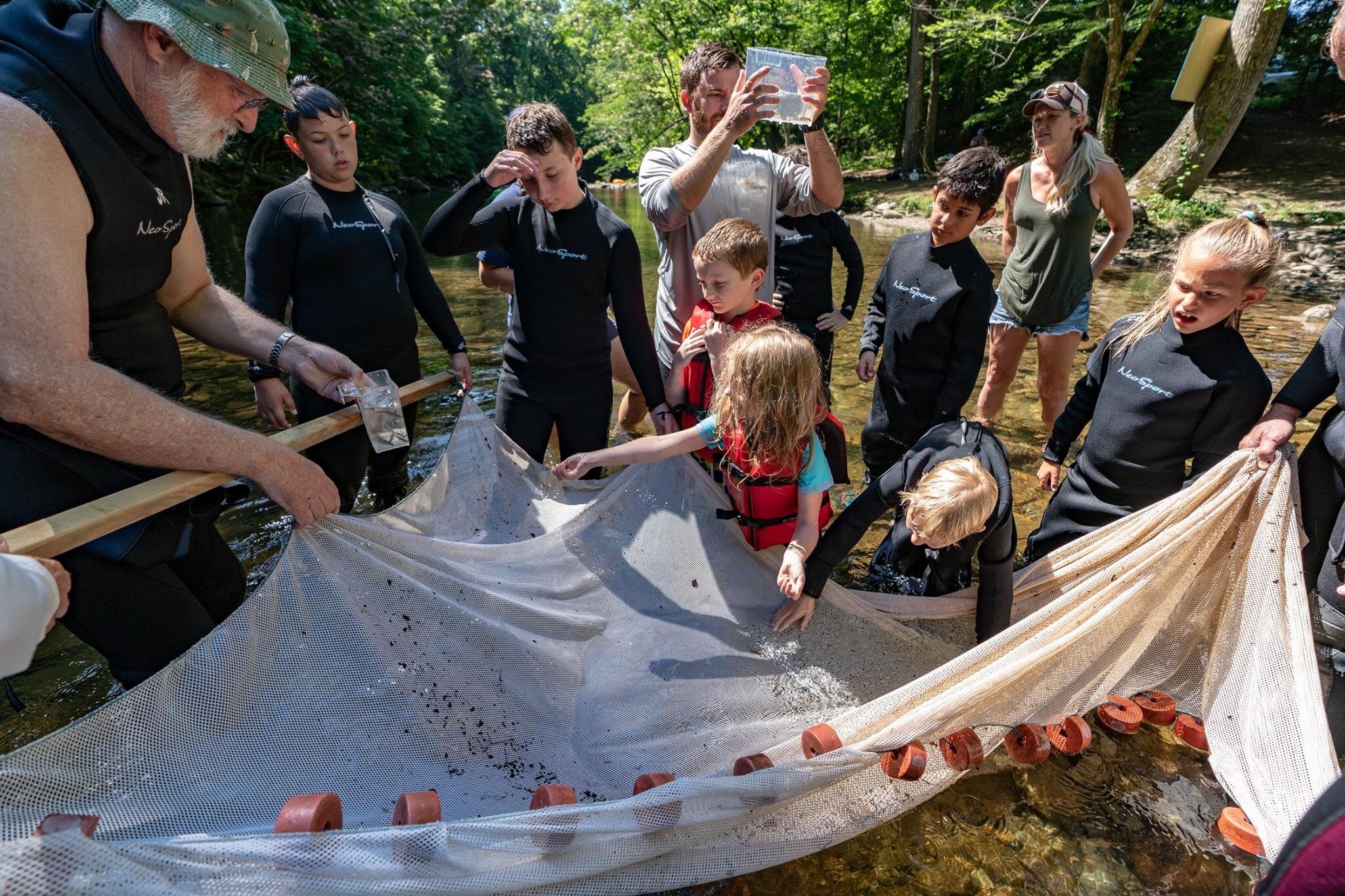
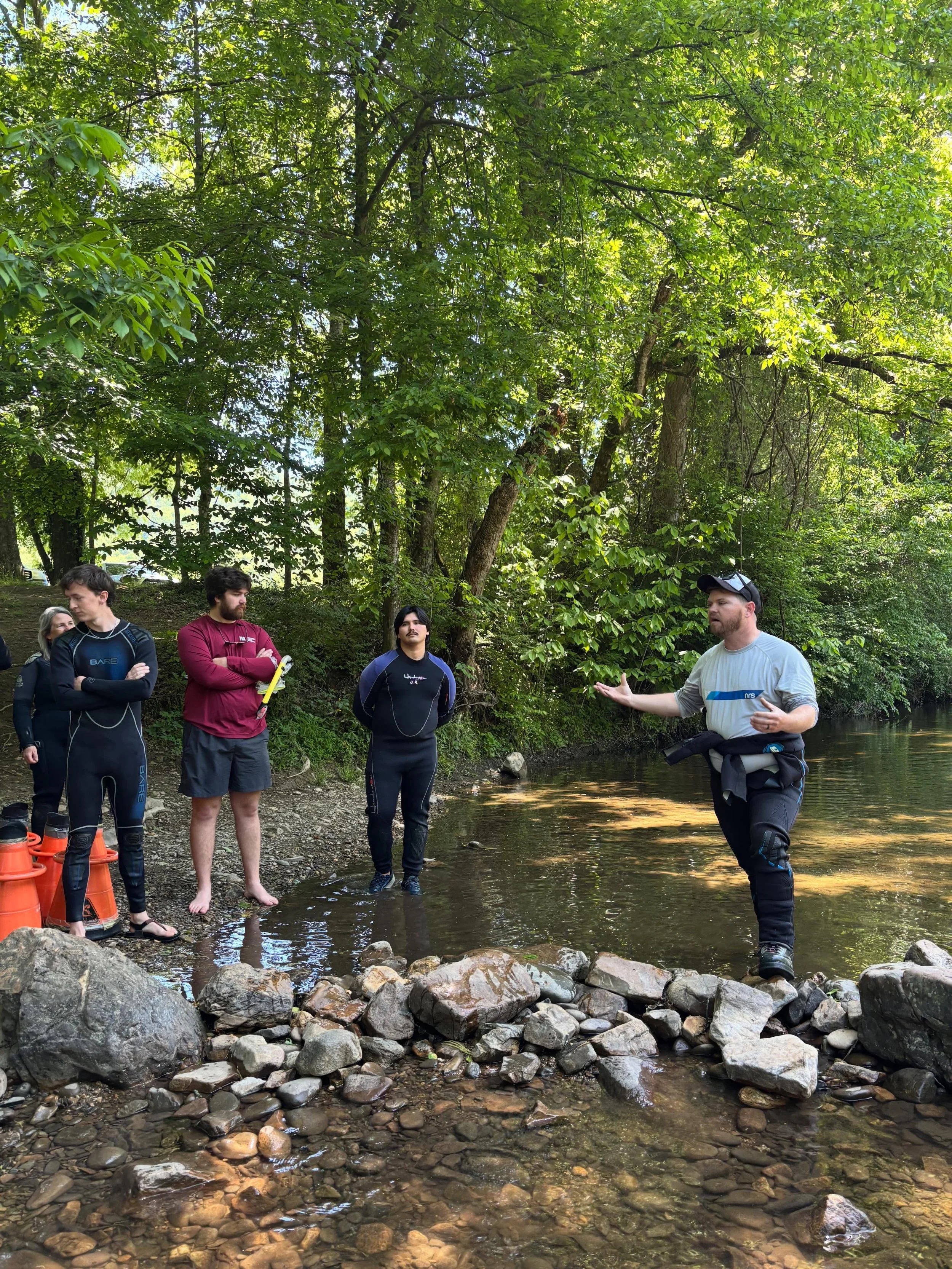
The Little River Watershed Association will be assisting TDEC’s Division of Water Pollution Control to sample the water quality on portions of the Little River.  Volunteer meeting is scheduled for this Thursday, August 12th, at 1pm at the Special Peoples Park in Townsend.  Volunteers should be prepared to get in the water.  We will be reviewing sampling techniques, data forms and site locations.  This will be our first day to collect water samples. We should be finished by 3:30.

For a google map of the meeting location follow this link, Special Peoples Park

If you have not signed up, there is still time.  To sign up as a volunteer follow this link to our website, LRWA, or contact us directly.

office:: 980-2130

email::  Mark.Whited@littleriverwatershed.org

Volunteers needed for Water Monitoring Program

Aug 4th, 2010 by M_Whited

Call for Volunteers

The Little River Watershed Association has partnered with Tennessee’s Department of Environmental Conservation, TDEC, to conduct a water quality monitoring program in the Little River.  Volunteers are needed to collect water samples during the day for the next couple months.   A training session with TDEC staff will take place next week.

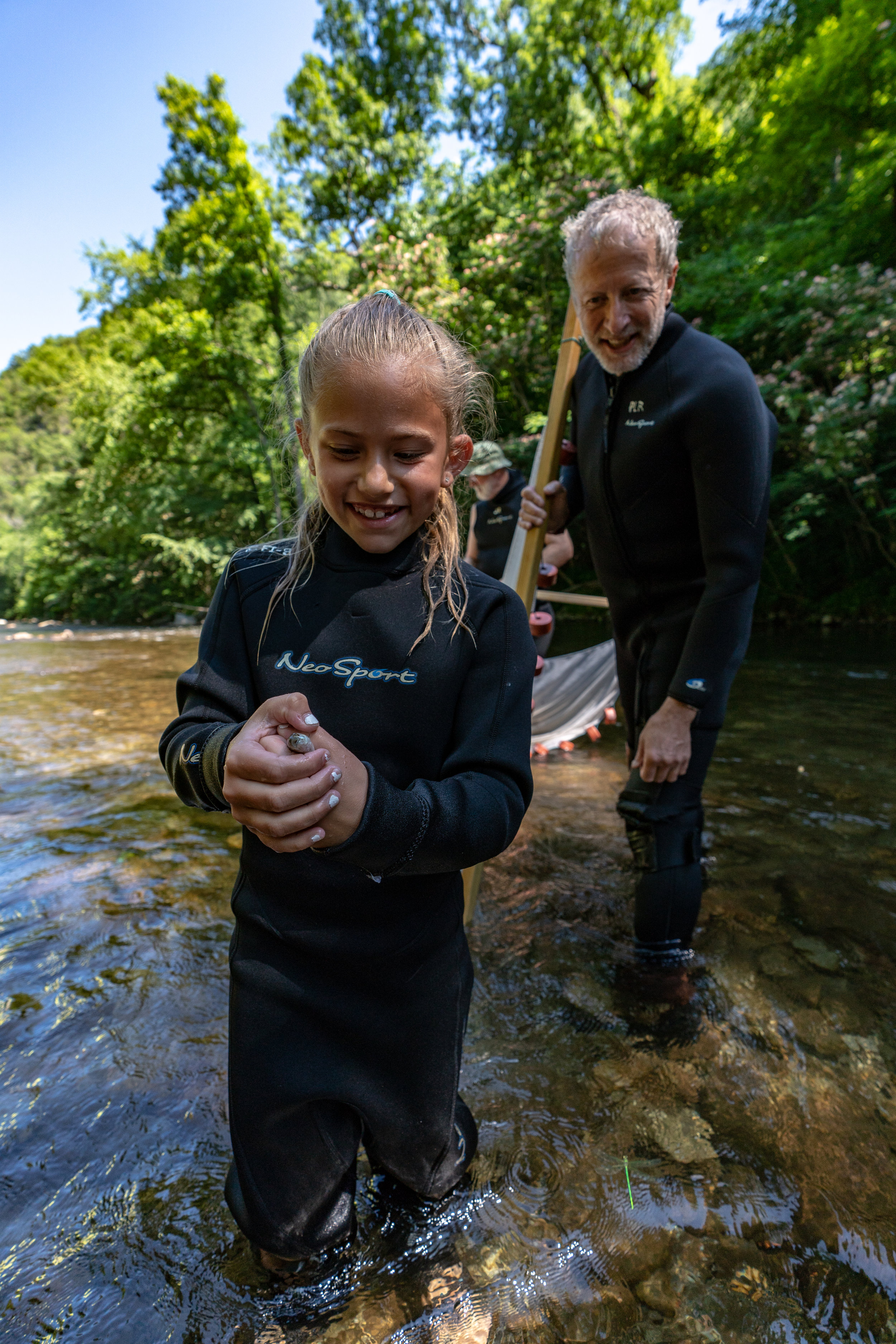
Volunteers will be paired up to collect water samples.  Volunteers will travel to (4) sites in the Townsend and Walland area.  Volunteers must have their own vehicle.  To collect the sample of water you will have to wade into the middle of the river to collect the sample.  Therefore this requires getting wet and being stable on your feet to safely collect each sample.  Individuals under 18 years of age whom are interested in participating must be accompanied by an adult.

To sign up, call the LRWA office  or send an email to Mark Whited:

980-2130

Mark.Whited@littleriverwatershed.org

Great Smoky Mountain National Park Seeking Trail Volunteers

Jul 18th, 2010 by News from the Little River

Great Smoky Mountains National Park is recruiting volunteers to participate in the Adopt-a-Trail (AAT) program, an effort that helps to maintain the Park’s 800-mile trail system. The Volunteers in Parks (VIP) program has integrated volunteerism into many of its Park operations, including trail maintenance, which covers everything from picking up litter to removing treefalls and reporting trail problems to the Park. A mandatory training program is scheduled on Saturday, July 31, in the North Carolina area of the Park for those who are interested in participating in the program.

In order to attend, participants must register by July 26 by email with Christine Hoyer, Trails and Facilities Volunteer Coordinator, or by phoning (828) 497-1949.

Complete details found here:

http://www.nps.gov/grsm/parknews/adopt-a-trail-recruitment.htm

Almost 20,000 Acres Proposed in the Tennessee Wilderness Act of 2010

Jun 10th, 2010 by News from the Little River

FOR IMMEDIATE RELEASE:

June 9, 2010

Jim Jeffries (Alexander) 202-224-8816

Laura Herzog (Corker) 202-224-3467

Alexander, Corker Introduce Bill to Designate Tennessee Wilderness
Legislation Would Preserve Six Areas Totaling 19,556 Acres in Cherokee National Forest

WASHINGTON – U.S. Senators Lamar Alexander (R-Tenn.) and Bob Corker (R-Tenn.) today introduced the Tennessee Wilderness Act of 2010 that would designate six different areas totaling 19,556 acres as wilderness in the Cherokee National Forest. These areas were recommended for wilderness status by the U.S. Forest Service in the development of its comprehensive 2004 forest plan and have been managed as Wilderness Study Areas since that time (a map of the proposed wilderness areas within the Cherokee National Forest can be found here).
“I grew up hiking in the mountains of East Tennessee and know firsthand that these beautiful landscapes should be preserved for generations to come,” Alexander said. “The bill we are introducing today is an important step in conserving some of the most pristine areas in Tennessee and will strengthen the legacy of Tennessee’s natural heritage.”
“We are blessed in East Tennessee with God-given amenities and an unparalleled natural environment, and the Cherokee National Forest is a prime example,” Corker said. “I thank Senator Alexander for his lifelong commitment to protecting scenic wilderness areas and am proud to join him in this effort to preserve Cherokee National Forest for future generations of Tennesseans and Americans to enjoy.”
Congress began protecting wilderness areas in the Cherokee National Forest in 1975, with additional wilderness areas being established by the Tennessee Wilderness Acts of 1984 and 1986.
The Tennessee Wilderness Act of 2010 specifically creates one new wilderness area and expands the boundaries of five separate existing wilderness areas already within the Cherokee National Forest. Since these areas are owned entirely by the U.S. Forest Service and are being managed as Wilderness Study Areas currently, this bill will have no effect on privately owned lands and will cause no change in access for the public.

The Tennessee Wilderness Act of 2010:

•   Creates the 9,038 acre Upper Bald River Wilderness (Monroe County)
•   Adds 348 acres to the Big Frog Wilderness (Polk County)
•   Adds 966 acres to the Little Frog Wilderness (Polk County)
•   Adds 2,922 acres to the Sampson Mountain Wilderness (Washington and Unicoi County)
•   Adds 4,446 acres to the Big Laurel Branch Wilderness (Carter and Johnson County)
•   Adds 1,836 acres to the Joyce Kilmer-Slickrock Wilderness (Monroe County)

Click Here for a Map of proposed areas for the Tennessee Wilderness Act of 2010

Blount County Environmental Camp

Jun 4th, 2010 by M_Whited

The Little River Watershed Association is proud to support the Blount County Environmental Awareness Camp.   Mark Whited, the executive director, will be leading a Water Conservation/ Wetland Education Program at Spring Brook Park on Monday morning June 21st.

The Blount County Environmental Awareness Camp is sponsored by the Blount County Parks and Recreation.  The Camp instructor is Liz Domingue, a well know local Naturalist and Wildlife Biologist.  Liz has been directing this camp for several years and brings her expertise along with her each year!

Campers will learn about stream and forest ecology with emphasis on plant and animal biology and animal signs and tracking in a FUN camp atmosphere that also includes nature crafts.  Campers will be enjoying the outdoors while learning much about their natural surroundings.  Campers will visit area parks each day.  Special Guests will be visiting camp too!

Dates: June 21-25

Time:

8:00 AM – 4:00 PM

Location:

Drop-off and pick-up at various parks in Maryville and Alcoa. Contact Parks & Rec. for complete details.

Cost:

$100.00

Instructor:

Liz Domingue, Naturalist/Wildlife Biologist

Register at:

Blount County Parks & Recreation Office

316 S. Everett High Road

Maryville, TN 37804

or register on-line at www.parksrec.com

Space is limited.

TDEC Just Released a List of Impaired Streams for Tennessee

May 28th, 2010 by News from the Little River

The Tennessee Department of Environment and Conservation

just released the Draft Version for the 2010 303(d) list.

This document is a result of years of aquatic surveys measuring biological species diversity along with bacterial and chemical composition.  For those interested in reviewing stream condition in our watershed, the tributaries of  Little River Watershed begins on page 74 listed under the Upper Tennessee River Basin.   The Upper Tennessee River Basin includes the watersheds for the Little River, Fort Loudoun Reservoir and Watts Bar Reservoir.

Follow the link below to the TDEC website for a PDF copy of the document.

Draft 2010 303(d) list

Unfortunately, there are no streams listed on the 2008 303(d) which are eligible for delisting on the 2010 303(d) list due to improved water quality.

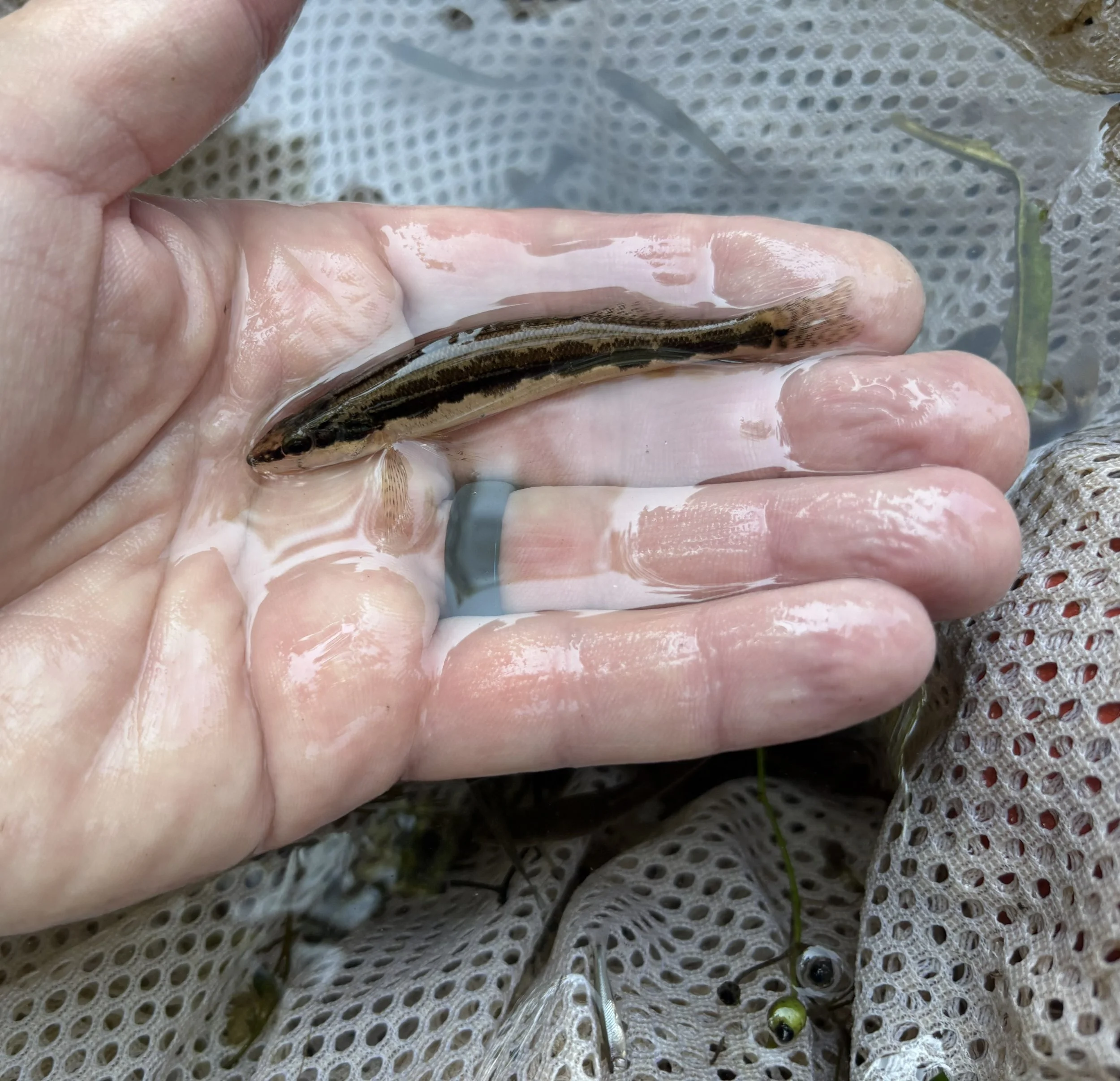
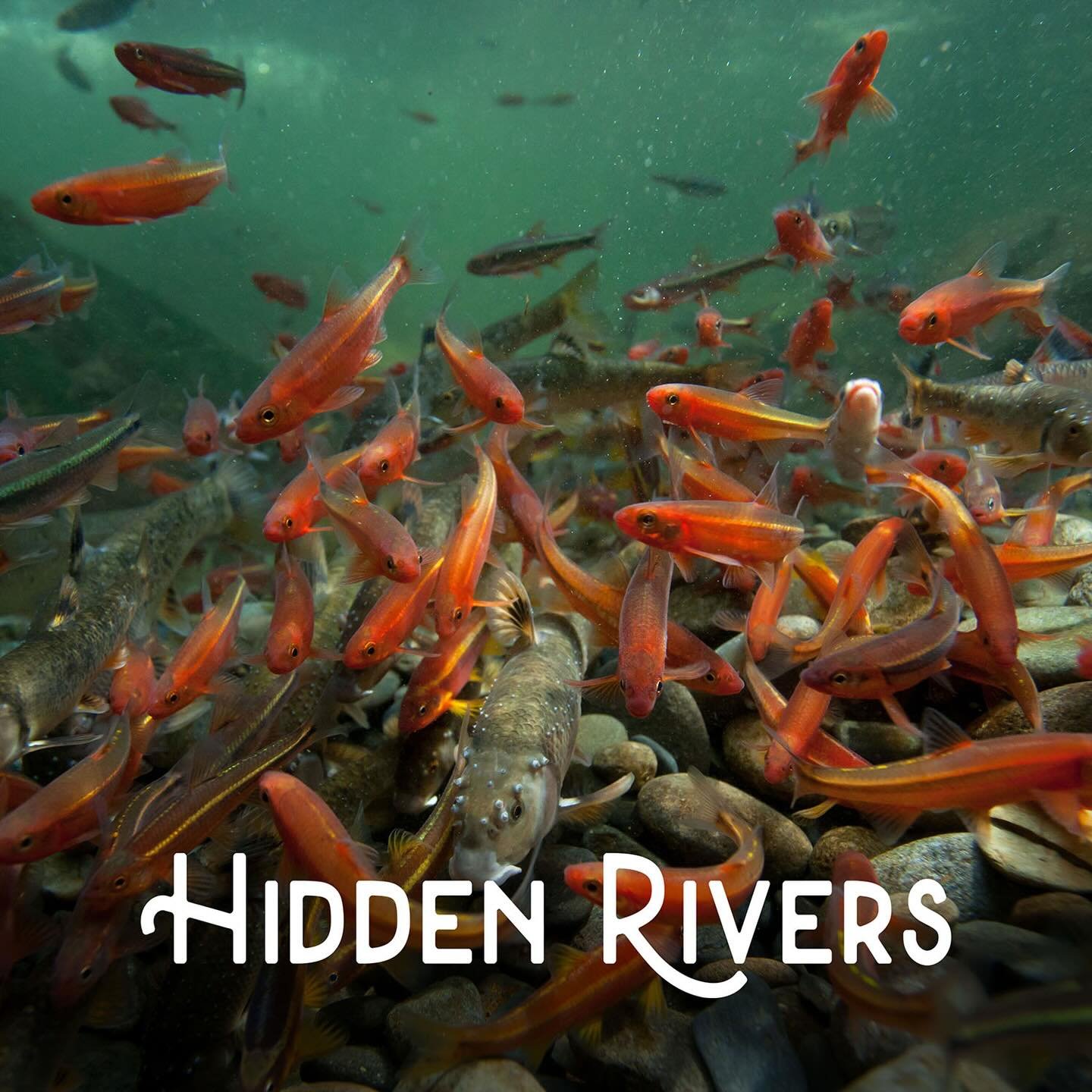
The Little River Watershed is the home to (6) Endangered Species.  The preservation of aquatic habitat is essential for their survival.

Fish

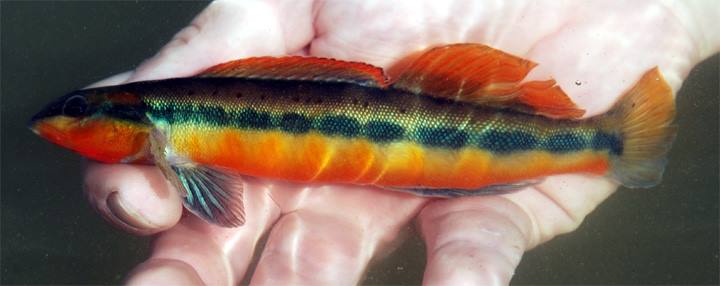
Duskytail Darter Etheostoma percnurum

Snail Darter Percina tanasi

Fresh Water Mussels

Fine-rayed Pigtoe Fusconaia cuneolus

Pink Mucket Pearlymussel Lampsilis abrupta

Orange-foot Pmipleback Pearlymussel Plethobasus cooperianus

Fresh Water Snail

Anthonys River Snail Athearnia anthonyi


Join Us at Troutfest this Weekend in Support of Native Brook Trout Restoration in the Little River

May 12th, 2010 by News from the Little River

Troutfest is a Fly Fishing Exposition and Fundraiser held in Townsend, Tennessee in the Great Smoky Mountains. Proceeds from this event are donated to Great Smoky Mountains National Park Fisheries Department, Friends of the Smokies Fisheries Scholarship Endowment or other youth educational conservation projects. The Little River Chapter of Trout Unlimited sponsors this event as a major fundraiser and annual festival. This year they expect the event will be one of the largest venues for fly anglers in the Southeast United States.  Below is a schedule of events & more information is available at Troutfest. We hope to see you there!


National Drinking Water Week Begins May 2nd.

May 2nd, 2010 by News from the Little River

Today marks the beginning of National Drinking Water Week.  Take a moment to learn a little more about the status of our drinking water and how communities across the country are contending with safe drinking water issues.

– City of Maryville Water Quality Report–
The status of Little River’s drinking water is published yearly at this link.

-– TDEC Website–
The Tennessee Department of Environment and Conservation is encouraging all Tennesseans to observe National Drinking Water Week, May 2-8. Tennesseans can do their part in promoting good stewardship of the state’s water supply by helping protect our source waters from pollution, practicing water conservation, actively supporting the upkeep of drinking water infrastructure and becoming involved in local water issues.  In addition to celebrating National Drinking Water Week, this year marks the 36th anniversary of the Safe Drinking Water Act – which forms the core of our national efforts to provide quality drinking water and protect the health of our citizens.  A noteworthy 98 percent of Tennessee citizens receiving public drinking water are served by public systems that meet all federal requirements for safe drinking water – one of the highest rankings in the United States.  See the complete press report here.

– CDC  Website–
Each year, the American Water Works Association and an alliance of organizations, including the U.S. Environmental Protection Agency (EPA), sponsor National Drinking Water Week to highlight the importance of tap water and the need to reinvest in our nation’s drinking water infrastructure.  Although the United States has one of the safest drinking water supplies in the world, new challenges, such as aging drinking water infrastructure, climate change impacts on water resource availability, chemical contamination of water sources, and the emergence of new ways to obtain and use water (e.g. water reuse, grey water, desalination), require us to remain vigilant to protect all aspects of our water supply.  See Complete resource here.

– EPA Resource Guides, Safe Drinking Water–
Information for kids, researchers, policy makers, homeowners, and well owners.

Call for Volunteers

Apr 8th, 2010 by News from the Little River

LRWA is Developing a


Volunteer Committee


Our immediate need for volunteers is to help with Earth Round-Up

during the Morning Clean Up and Evening Festivities.


For anyone interested in volunteering with our organization, we have a meeting scheduled for Thursday April 15th, 6:00pm at our office. The meeting will last about 30 minutes. Please RSVP if you’re interested in being a volunteer. If you can not attend this volunteer planning meeting, please let us know and we can accommodate you.


Volunteer positions available during

Earth Round-Up:

Morning Clean Up

- Check-In Tables

- Pick-Up trucks or trailer to collect trash

- Volunteer Coordinators

Evening Festivities on Maryville College Campus

- Set Up and Break Down
- Silent Auction
- LRWA’s Education Booth


Who: Everyone Welcome

What: Volunteer Planning Meeting

When: Thursday April, 15th 6:00-6:30pm

Where: LRWA’s Office

1006 East Lamar Alexander Parkway

Maryville, TN 37804

Our office is located in the County’s Environmental Health Building across the street from Blount Memorial Hospital.  Turn off of Lamar Alexander Parkway onto the road between the Thompson Brown Historical Log Cabin and Mountain National Bank.  Park behind the Log Cabin at the Blount County Historical Museum.  Our office is located just inside the Blount County Historical Museum.

Regional Waste Water Treatment Plan Clarified

Jun 28th, 2009 by News from the Little River

In a work session held on Thursday,  plant and city officials gave further detail on the planned upgrade to the Regional Waste Water Treatment Facility.  Currently, treated waste water is piped downstream of the facility to a discharge point on the Tennessee River.  According to Site Operators, the improved treatment technology would meet state regulatory standards for discharge directly into the Little River Embayment near the facility. However, officials have clarified the primary discharge point will remain downstream of the Rockford community.

See the full Maryville Daily Times article at this link:
Daily Times: Treatment Plant Update

Save the Date – July 9th – Tomato Head Fundraiser

Jun 19th, 2009 by News from the Little River

tomatohead

Join us July 9th at Maryville’s Tomato Head for LRWA’s Specialty Sandwich Day!
From 11am to 9:30pm, or until supplies last, 100% of Specialty Sandwich proceeds will go to the Little River Watershed Association.

Come one, come all – tell your friends – tell your neighbors – tell your coworkers–
Bring families and friends and enjoy some of Blount County’s finest foods while supporting our watershed!  Many thanks to Tomato Head, Scott Partin, & Tommy Bateman for their widespread community support, their dedication to sustainable business practices, and their continued support of LRWA.

Tomato Head Invitation

County to Fund Environmental Projects in lieu of Payment for State Stormwater Fine

May 13th, 2009 by News from the Little River

On May 19, the Tennessee Water Quality Control Board will consider an agreed order that would allow the county to offset $5,000 of an imposed stormwater fine through funding several environmental projects. The remaining $5,000 would not be levied unless the county is cited for another violation within a year.  The County Commission last year voted to appeal the $10,000 state fine for the county’s failure to implement adequate stream buffer zones and other storm water-related regulations.  See the Daily Times for further details.

http://www.thedailytimes.com/article/20090513/NEWS/305139976

Daily Times Article Features Volunteer Divers Working to Clean up Little River Trash

Apr 22nd, 2009 by News from the Little River

–In the News–

The Daily Times has an article today talking about the underwater cleanup and upcoming Earth Round UP events scheduled for Saturday.  On Tuesday, a team of divers from the Blount County Sheriff’s Office and our own board member Edward Harper took part in the yearly underwater cleanup.  The divers were getting a jump on Saturday’s Earth Round-UP event, which includes both river and community-wide cleanups.

Article and photos here:

Daily Times Article

PBS Series ‘Frontline’ Examines Health Hazards in Nation’s Contaminated Waterways

Apr 19th, 2009 by News from the Little River

–Press Release–

Tuesday, April 21, 2009, from 9 to 11 P.M. ET on PBS
http://www.pbs.org/wgbh/pages/frontline/poisonedwaters/

More than three decades after the Clean Water Act, iconic American waterways like the Chesapeake Bay and Puget Sound are in perilous condition and facing new sources of contamination.  With polluted runoff still flowing in from industry, agriculture and massive suburban development, scientists note that many new pollutants and toxins from modern everyday life are already being found in the drinking water of millions of people across the country and pose a threat to fish, wildlife and, potentially, human health.

In FRONTLINE’s Poisoned Waters, airing Tuesday, April 21, 2009, from 9 to 11 P.M. ET on PBS (check local listings), Pulitzer Prize-winning journalist Hedrick Smith examines the growing hazards to human health and the ecosystem.

“The ’70s were a lot about, ‘We’re the good guys; we’re the environmentalists; we’re going to go after the polluters,’ and it’s not really about that anymore,” Jay Manning, director of ecology for Washington state, tells FRONTLINE. “It’s about the way we all live. And unfortunately, we are all polluters. I am; you are; all of us are.”

Through interviews with scientists, environmental activists, corporate executives and average citizens impacted by the burgeoning pollution problem, Smith reveals startling new evidence that today’s growing environmental threat comes not from the giant industrial polluters of old, but from chemicals in consumers’ face creams, deodorants, prescription medicines and household cleaners that find their way into sewers, storm drains, and eventually into America’s waterways and drinking water.

“The environment has slipped off our radar screen because it’s not a hot crisis like the financial meltdown, war or terrorism,” Smith says. “But pollution is a ticking time bomb. It’s a chronic cancer that is slowly eating away the natural resources that are vital to our very lives.”

Reversing decades of pollution and preventing the irreversible annihilation of the nation’s waterways, however, will require a seismic shift in the way Americans live their lives and use natural resources, experts say.

“You have to change the way you live in the ecosystem and the place that you share with other living things,” says William Ruckelshaus, founding director of the Environmental Protection Agency. “You’ve got to learn to live in such a way that it doesn’t destroy other living things. It’s got to become part of our culture.”

Video Preview here: