
December News from the Little River Watershed Association
|
||||||||||
|
||||||||||
|
||||||||||
|
||||||||||
When: September 29, 8:30am – 12pm
Where: Meet at 8:15 at 5396 Old Walland Hwy at the picnic tables.
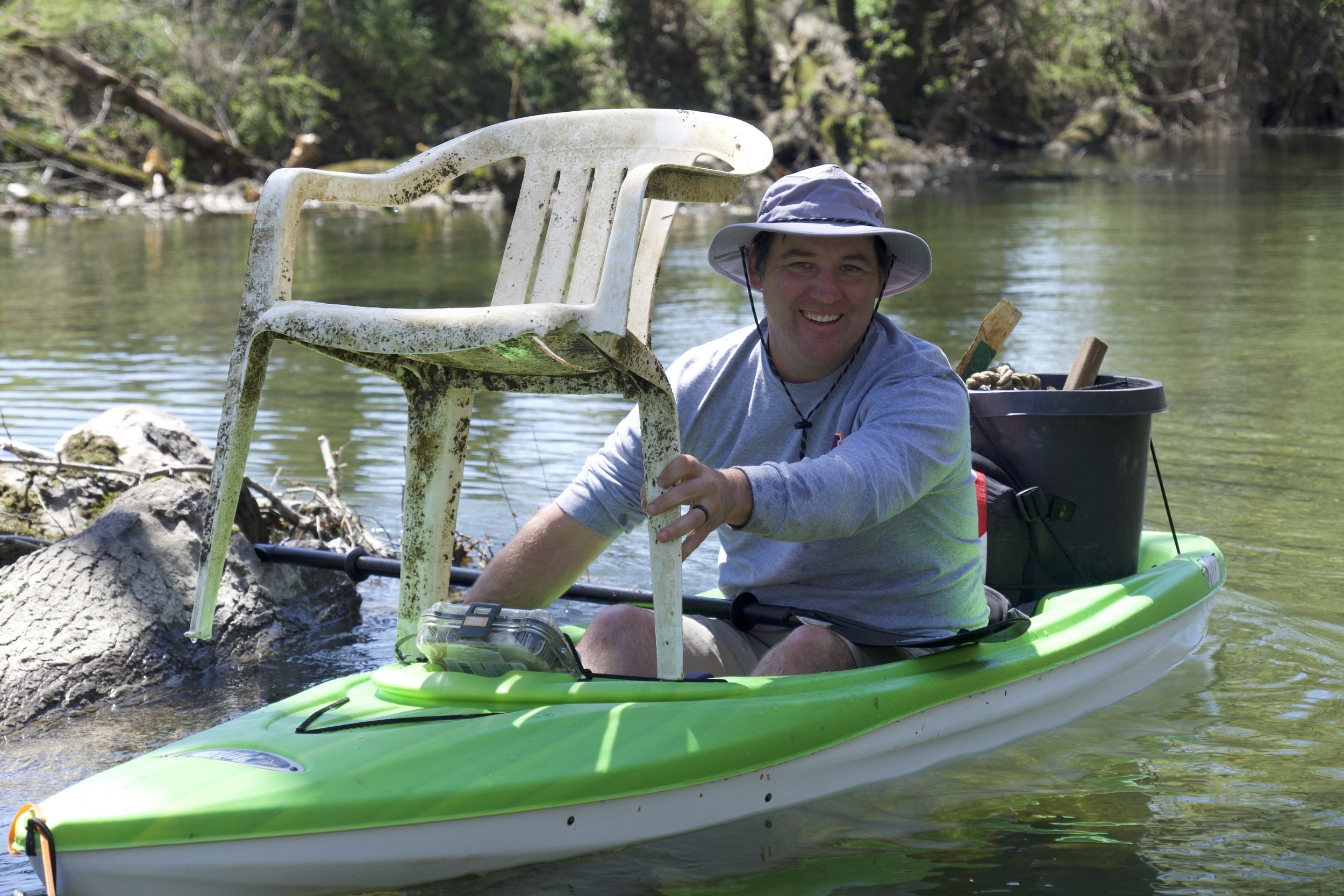
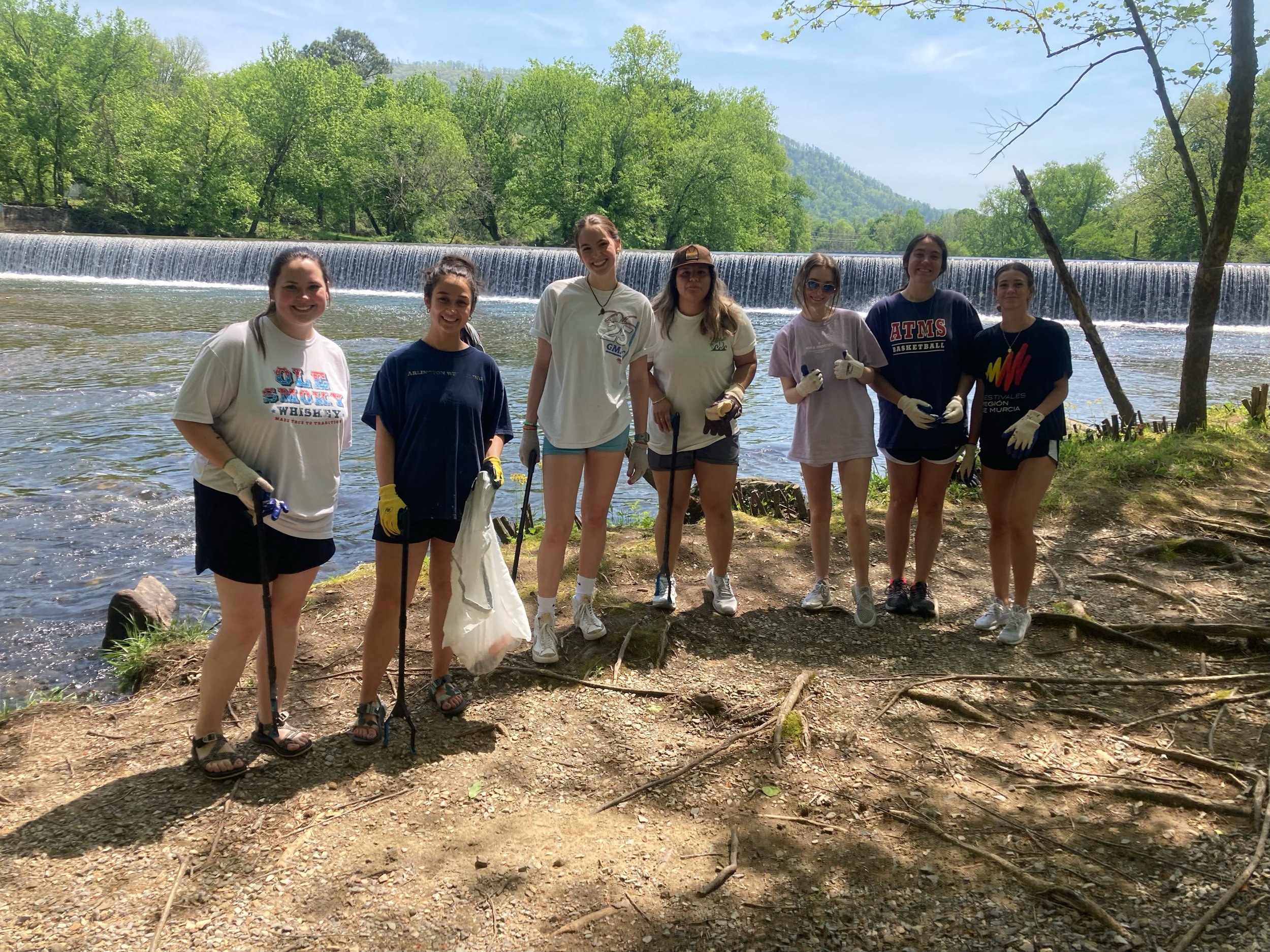
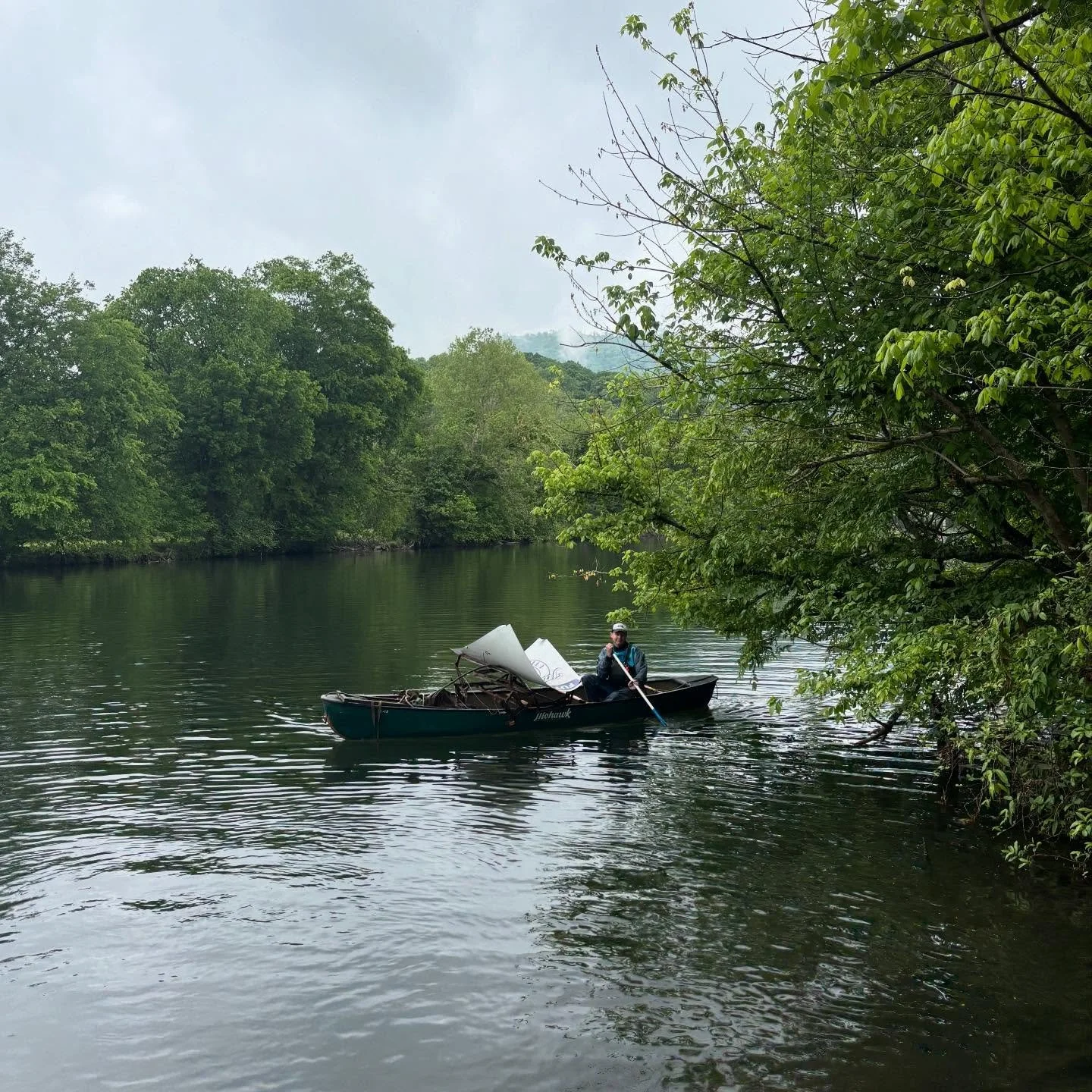
We will be focusing on clean-up along the banks of the river. The clean-up will begin at 8:30 AM and last about 3.5 hours. If you want to canoe or kayak on the Little River that day, we can mark trash drop off locations along the route. LRWA will not be providing boats or shuttling service, but boaters can check in and pick up trash bags and instructions.
What you need:
It is recommended to wear long pants, closed toed shoes or boots. Gloves will be provided, but if you have a favorite pair of work gloves bring them along. Children under 18 will need to be accompanied by an adult.
Directions:
From Hwy 321 turn onto Old Walland Hwy between the volunteer fire station and the Walland Center/ BP/ Post Office. Cross over the Walland Bridge, the meeting location is on the right.
Sign-Up:
Call the office at 980.2130 or email us at
snaildarter@littleriverwatershed.org
Please check your email or visit our website before the clean-Up for any last minute modifications due to weather. We will cancel the event if there is inclement weather or high water. We hope you can join us!
Save the Date for the next LRWA FUNdraiser
Where: The Market at Washington & High
When: Thursday, November 15, 5pm
Cost: $12
A chance to mingle with friends and enjoy a pulled pork sandwich with southern sides with reduced priced beers. Proceeds will benefit Little River Watershed Association.
Hemlock Treatment Scheduled for October
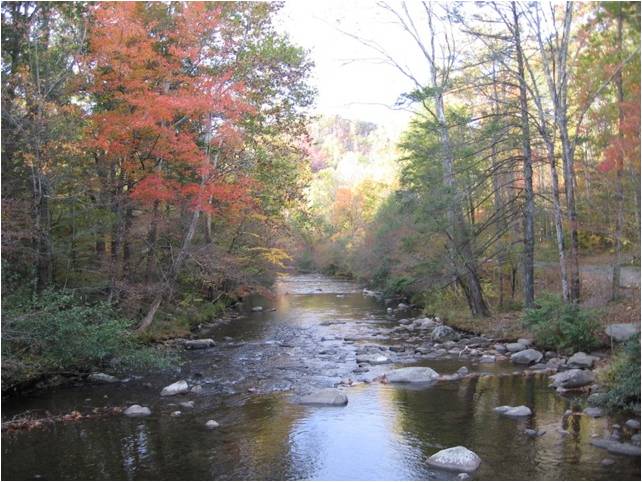
In early October, the LRWA will treat hemlock trees along the Little River with landowners’ permission. The goal is to save the trees, which are currently threatened by infestation from the hemlock woolly adelgid. The Eastern Hemlock is a tree that provides natural habitat for migrating birds and critical shade for river dwellers. The presence of hemlocks has a direct impact on stream biodiversity.
AmeriCorps Volunteer Caitlin Hoy Joins LRWA
The Little River Watershed Association is pleased to announce that Caitlin Hoy has joined the organization as an AmeriCorps Volunteer. Originally from Audubon, Pennsylvania, a suburb west of Philadelphia, Hoy attended Gettysburg College and earned a Bachelor of Science degree in environmental studies and biology with a concentration in marine and freshwater ecology, and a minor in music. She then moved to Columbia, South Carolina to continue her education in marine science. After a year of graduate work, she decided to join AmeriCorps, which requires dedicating a year of service to helping community needs. She is excited about joining the Little River Watershed Association in their efforts to educate the community through outreach, volunteer involvement and watershed assessment. “I hope to help the community understand the connection between watershed health and their individual behaviors,” she said.
LRWA Welcomes Four New Board Members
The Little River Watershed Association is pleased to announce the addition of four new board members. Each board member is committed to serving two years with the LRWA as volunteers. “The Little River Watershed Association is run by a committed board with diverse talents to help us carry out our mission,” said Kim Raia, Chair. “Board members are involved in everything that we do, from quarterly Adopt-A-Stream cleanups to grant writing to planning the annual winter fundraiser.”
Jeanie Hilten, resident of Blount County for 26 years, has devoted her work and play to the celebration of nature and its power to enrich human lives. Recent positions have been with Great Smoky Mountains Institute at Tremont, Discover Life in America’s biodiversity program, and Townsend Visitors Center festivals and special events. Her interest in serving on the Little River Watershed Board is driven by appreciation of the beauty and productivity of our region’s streams and their important contribution to quality of life for people. Recognizing the environmental, economic, and recreational values of clean water, Jeanie is excited about the prospects of the Watershed Association’s role in protecting the Little River now and in the future. Jeanie enjoys bringing people together for adventures in exploration and discovery, and guiding the many and varied skills of those involved toward the goals of stewardship and conservation. Hobbies and interests include gardening, banjo-playing, fiber arts, hiking, canoeing, and travel.
John Lamb was born in Oak Ridge and raised in North Knox County, and has lived in Blount County for the last 17 years where has served as Director of the Blount County Planning Department. He became interested in serving on the Little River Watershed Association Board from work on the Blount County Water Quality Plan and membership in the Little River Water Quality Forum. Other current work includes Board Chair of the Blount County Environmental Health Action Team, and Vice-President of the East Tennessee Quality Growth Board. He is also member of the Knoxville Regional Transportation Planning Organization Technical Committee, Plan East Tennessee Community Leadership Team, Stock Creek Industrial Park Design Review Committee, and Blount County Solid Waste Authority Board. When not working, he likes cooking, internet surfing, yard sales, science fiction, and classic movies.
Denise Moseley has lived in South Knoxville for most of her life, and has worked at SunTrust Bank as Vice President since 1997. “I am interested in preserving the beauty of East Tennessee and love being outdoors,” said Mosely. “I hope to utilize my financial background and social activities to create an impact for the association both financially and educationally.” In her spare time, Mosely enjoys traveling, gardening and the arts.
Kim Trevathan has resided in Blount County for 17 years. He is a published author and assistant professor of writing at Maryville College, where he’s taught writing for 11 years. “I got interested in the board because I care about the conservation and protection of the Little River, so vital to the spiritual, cultural, and physical health our community,” said Trevathan. “I wanted to get involved in projects that will educate people about the importance of the river and keeping it clean and healthy.” His forthcoming book entitled Liminal Zones: Where Lakes End and Rivers Begin will be published by the University of Tennessee press in 2013, and chronicles a series of upstream quests toward the places where dammed reservoirs give way to the current of the rivers that feed them.
Boy Scout Troop Day on the River
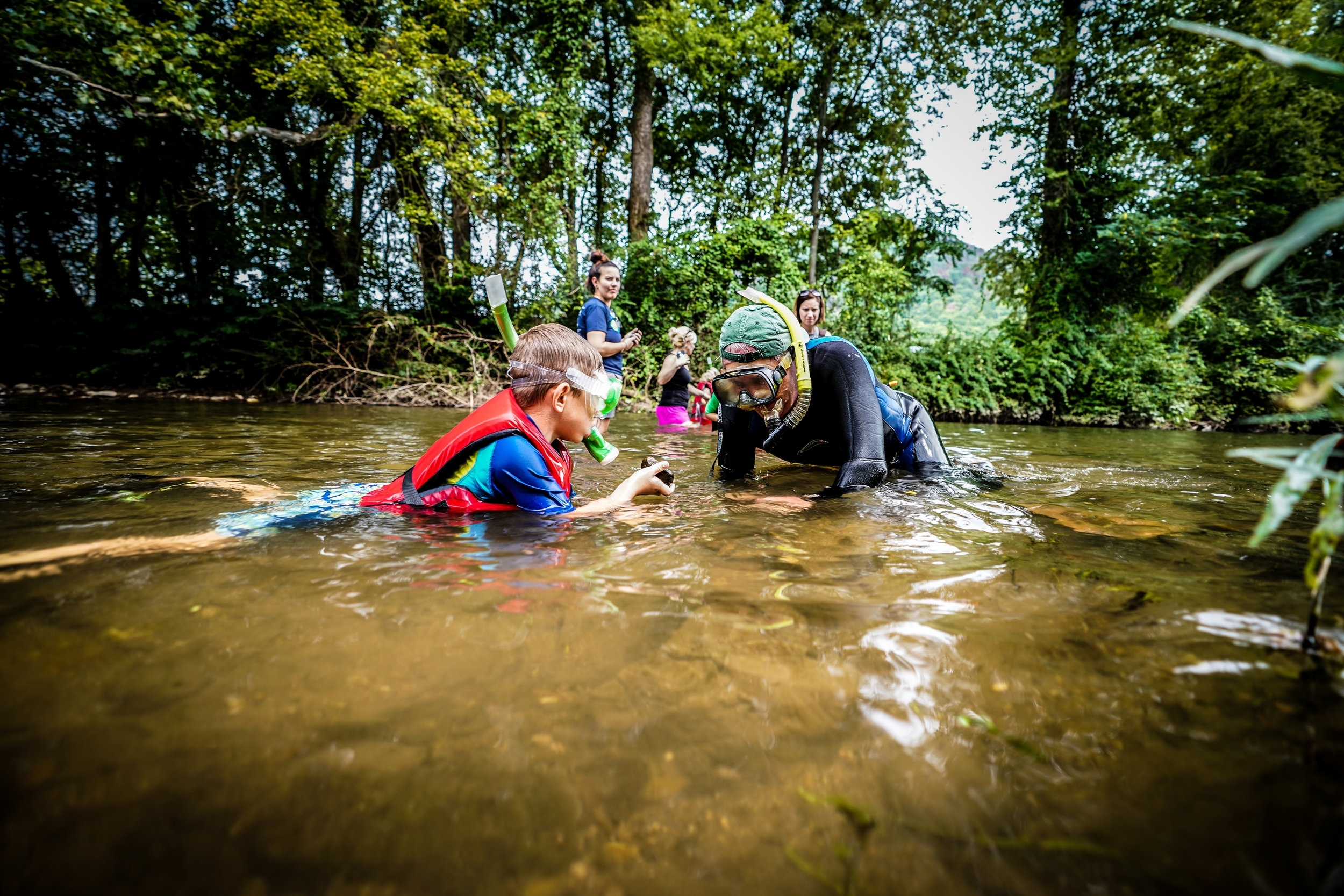
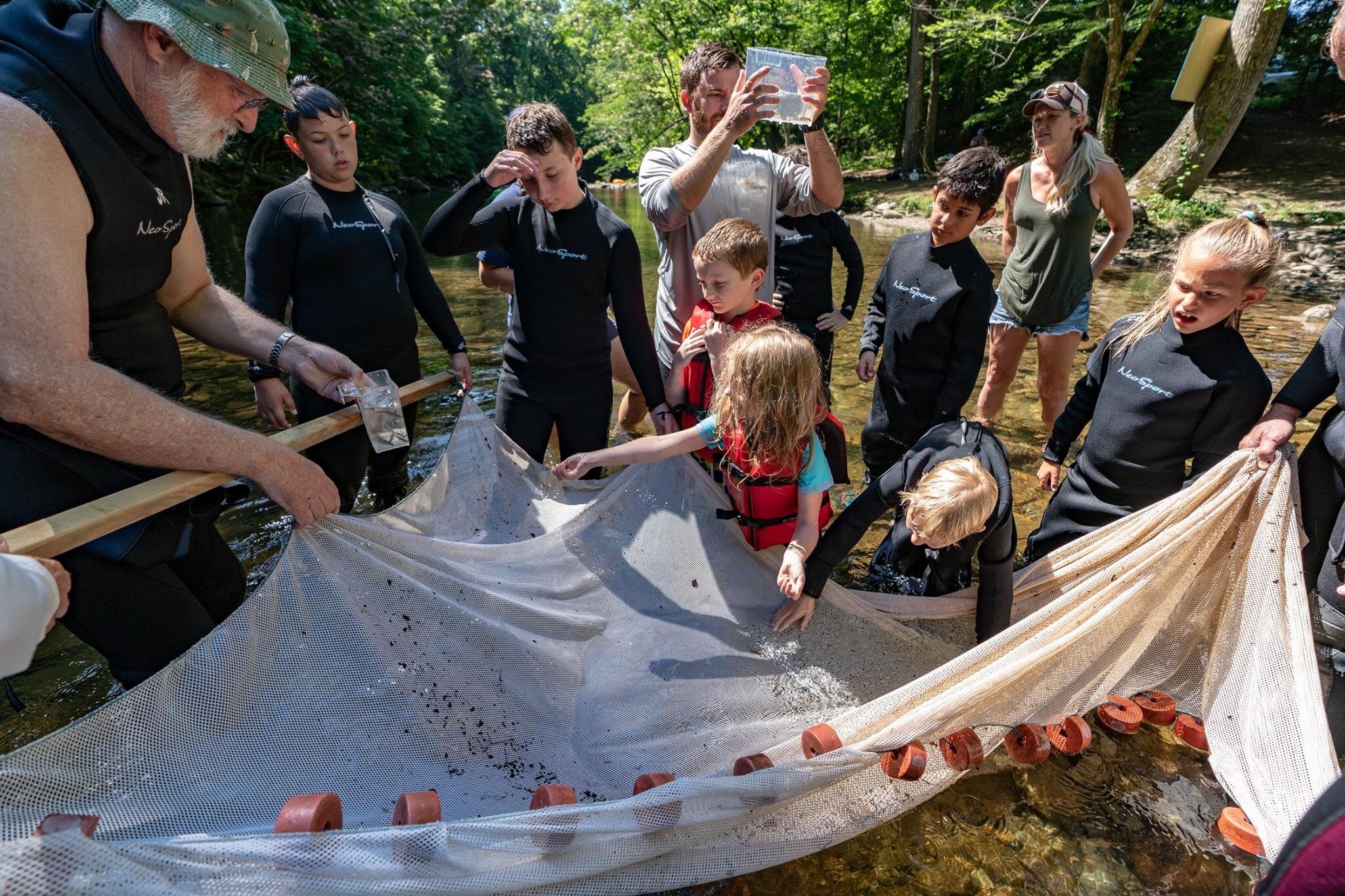
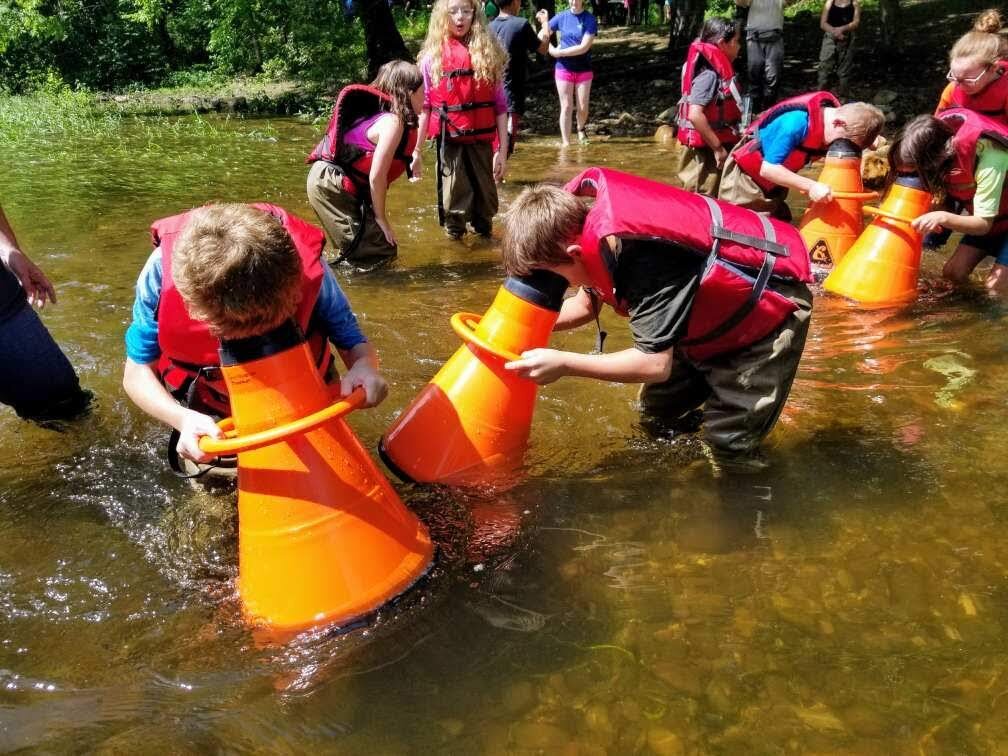
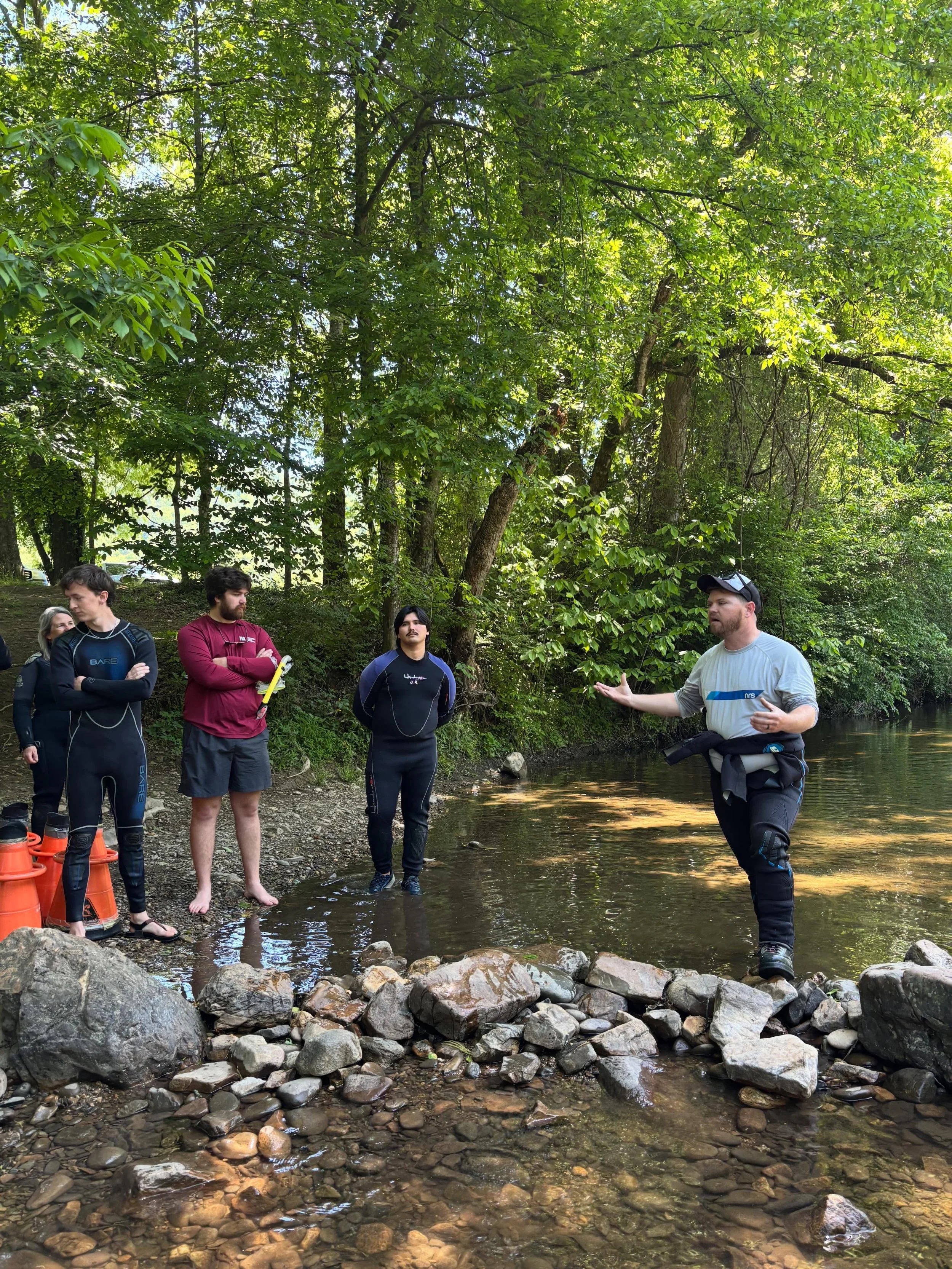
On Sat. Sept. 8, eleven boys from Boy Scout Troop 888 met at Coulter’s Bridge for an array of water monitoring activities provided by LRWA. The purpose was to create an educational STEM (Science Technology Engineering and Math) experience incorporating environmental, chemical and aquatic sciences and stream flow mathematics. The experience with water monitoring was also important for to offer Scouts exposure to a variety of professionals working in environmental careers.
To begin the slate of activities, the group set out to measure the river flow with a scientists’ toolbox of calculator, meter tape, stopwatches and rubber duckies to time the velocity of the stream. These activities were used as the basis for discussion of implications for bridge design and property development and technology in the chemistry tests.
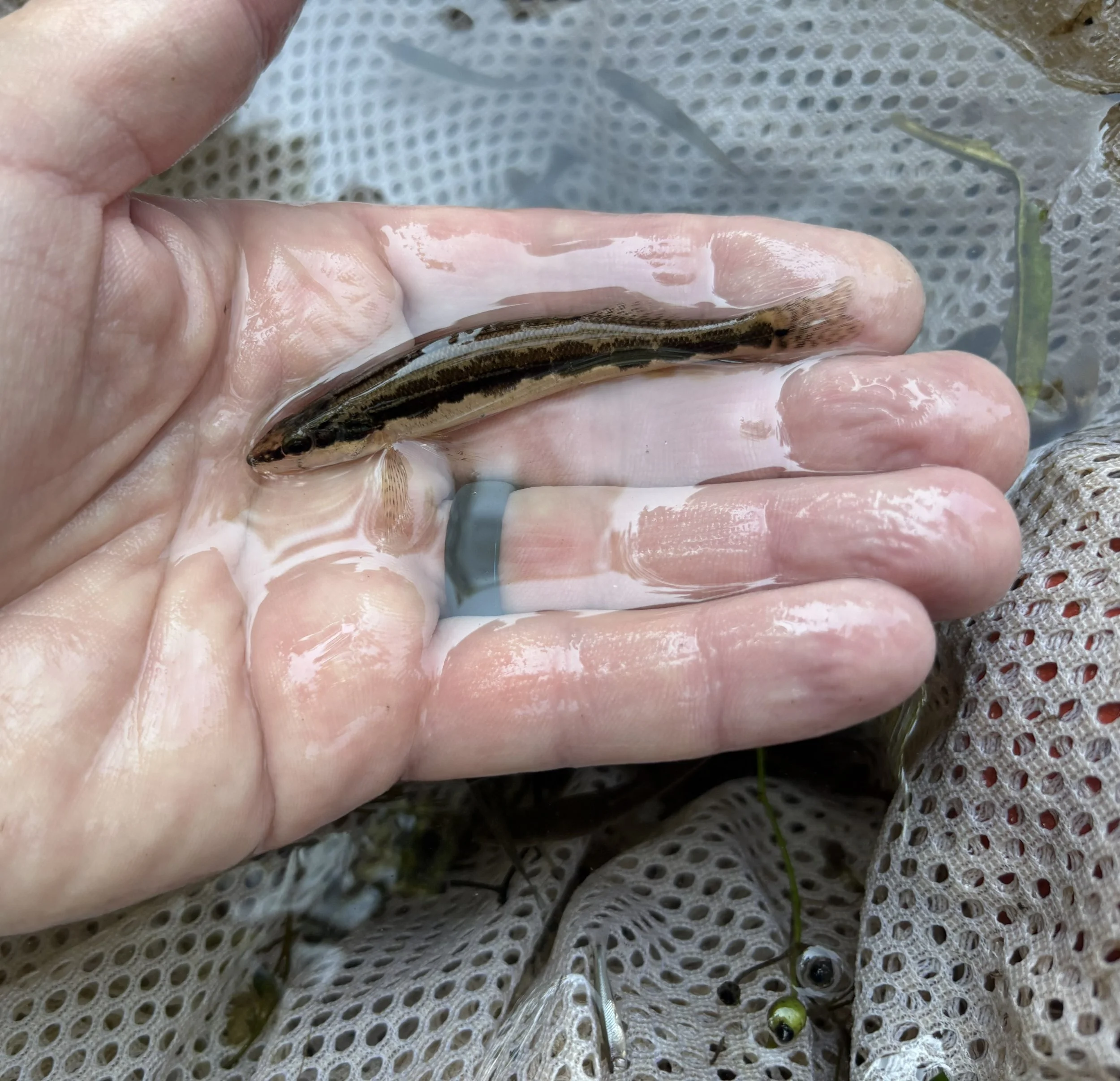
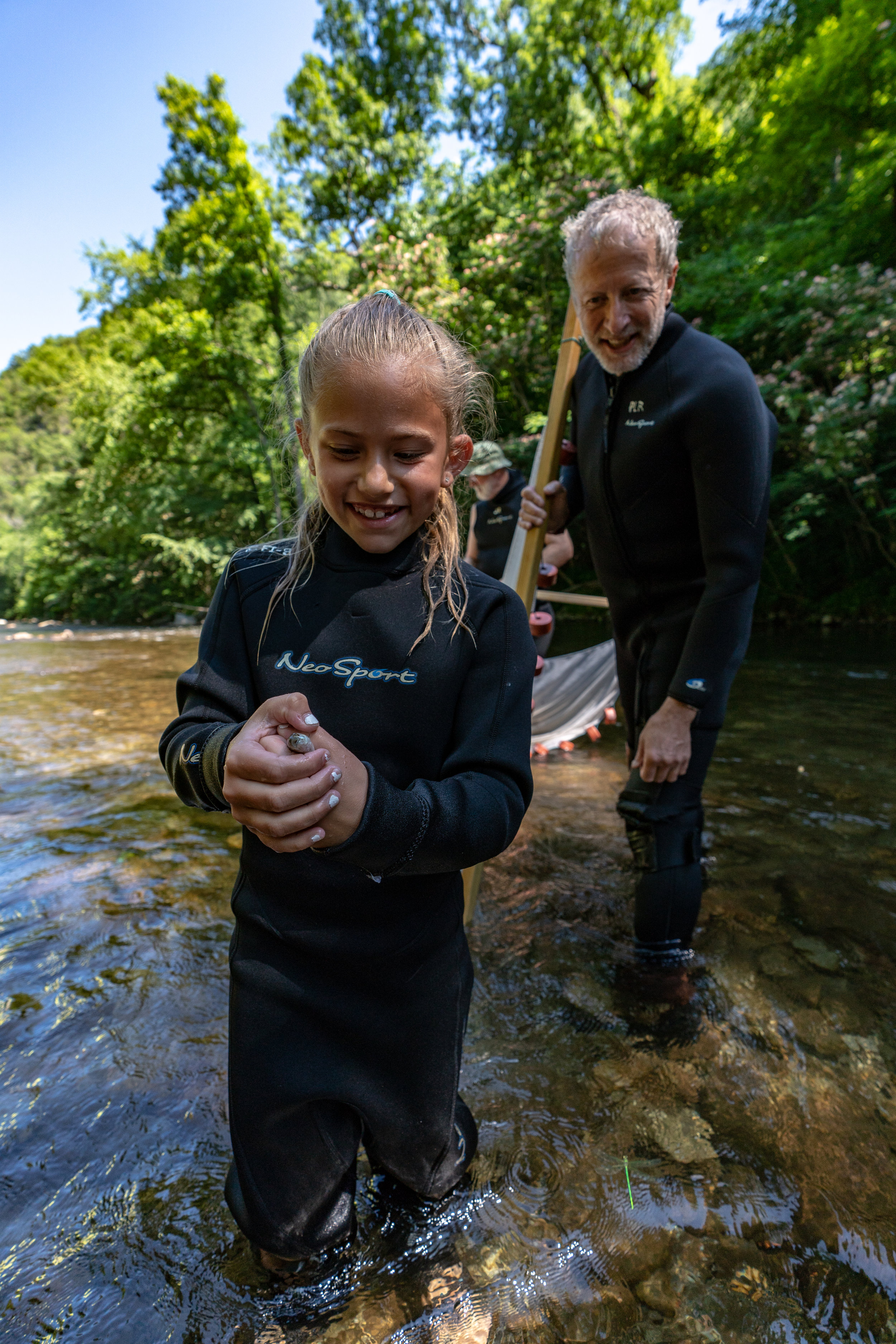
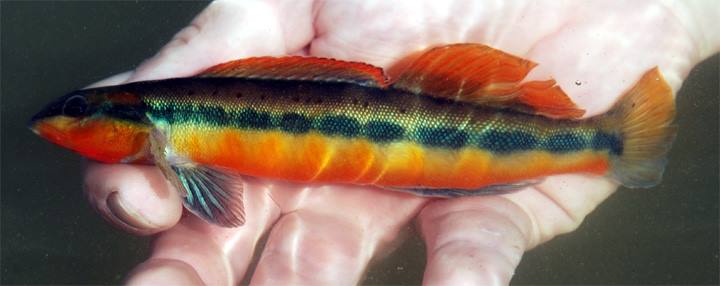
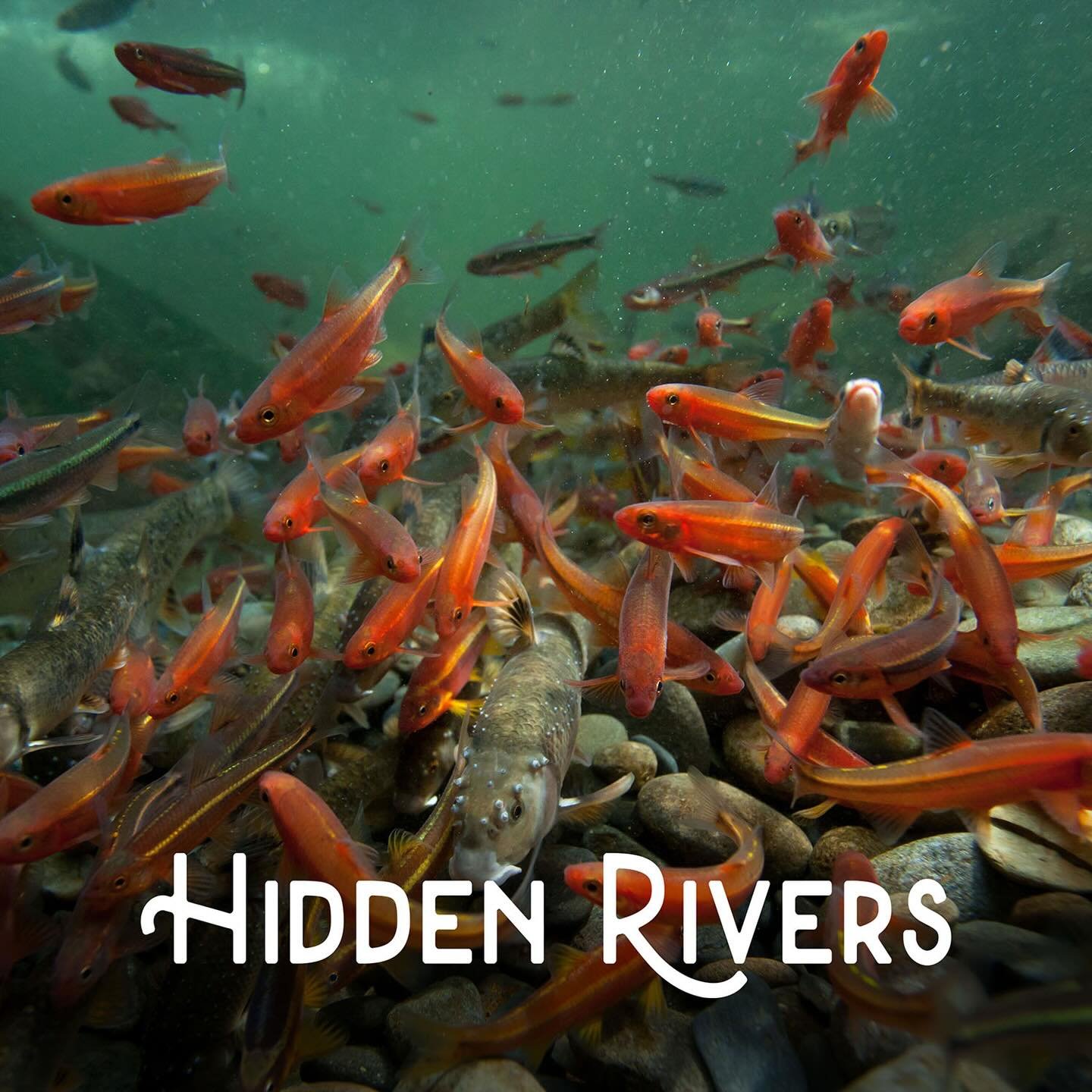
Next up was a fish survey using seine nets, an activity led by Jon Mollish, LRWA board member and biologist for TVA. The troop was able to observe a good sampling of the 50 species found in Little River such as darters and crayfish, and were surprised to learn that the Little River has colorful fish rivaling those found on salt water coral reefs.
The Scouts then split into groups for a macroinvertebrate survey, using magnifying glasses, tweezers and a macroinvertebrate ID chart. They found larvae of mayflies, stoneflies, water pennies, caddisflies, hellgrammites (dobsonflies), dragonflies, as well as crayfish, whirligig beetles and snails. The boys learned that macroinvertebrates can help assess the quality of the river, since some are very sensitive to pollution. Based on the organisms they collected, including the large number of the most sensitive groups of macroinvertebrates, the boys concluded that the river is very clean.
Finally, the Scouts tested the water ph. The group used a simple test where a chemical indicator was added to the water sample and the resultant color change was compared to a chart. The results varied, but were all in the 7 to 8 range, indicating good water quality. In fact, the water tests all indicated quality of good to excellent that day, which seemed to generally be the case (comparing to TDEC historical data) for the components that were tested.
The troop had faced the day with a forecast of 95 percent chance of rain, but no one was dissuaded. Scout leader, David Wilburn, repeats a saying they have in their troop: “We don’t get rained out, only rained upon.” Fortunately for them, the rain held out until the very end.
______________________________________________________________
The Little River Watershed Association is a 501C non-profit organization with the mission to protect, preserve, and enhance the Little River and its tributaries through mobilizing public support, building public awareness and promoting best management practices. The key aims of the Association are to promote educational activities that benefit the river and the watershed; to focus attention on efforts to protect the river; to distribute current information to the community; and to assist citizens in taking positive action.
Tel: (865) 980-2180
Email: Snaildarter@littleriverwatershed.org
The Little River Watershed Association is pleased to announce that Caitlin Hoy has joined the organization as an AmeriCorps Volunteer. “It’s a great privilege to have Caitlin join us in our work to protect the Little River,” said Kim Raia, board chair. “We believe that her energy and enthusiasm will enhance our efforts to reach out to the community.”
Caitlin is originally from Audubon, Pennsylvania, a suburb west of Philadelphia. Sheattended Gettysburg College and earned a Bachelor of Science degree in environmental studies and biology with a concentration in marine and freshwater ecology, and a minor in music. She then moved to Columbia, South Carolina to continue her education in marine science. After a year of graduate work, she decided to join AmeriCorps, which requires dedicating a year of service to helping community needs.
For as long as she can remember, Caitlin has been interested in human impacts on the environment and what she could do to make a difference. During college, these interests escalated when she researched the effects of pharmaceuticals in the environment for her senior thesis. After sharing her results with the scientific community, she realized how important it was to bring this environmental awareness to the public through education. She is excited about joining the Little River Watershed Association in their efforts to educate the community through outreach, volunteer involvement and watershed assessment. “I hope to help the community understand the connection between watershed health and their individual behaviors,” she said.
Caitlin also enjoys playing the violin, going to the beach, fishing, and playing with her dog, Mako.
The Little River Watershed Association is a 501C non-profit organization with the mission to protect, preserve, and enhance the Little River and its tributaries through mobilizing public support, building public awareness and promoting best management practices. The key aims of the Association are to promote educational activities that benefit the river and the watershed; to focus attention on efforts to protect the river; to distribute current information to the community; and to assist citizens in taking positive action.
###
Our Early April Newsletter is Posted!
https://app.verticalresponse.com/app/emails/email/view/357126191#view_as_html
We had 14 officers spend several hours on Saturday morning scrambling through thick brush, old fields and forested woodlands along Pistol Creek to remove hundreds of pounds of trash and debris. Mark Whited, Executive Director, said “they are some of the best volunteers we have had. We filled up over 40 large trash bags and removed 10 tires, 2 sinks, parts of 3 toilets, bicycle frame, car parts, a metal chair, 3 plastic buckets, water cooler, several garden hoses, tarps, linoleum flooring, styrofoam, a record player, TV and several hundred pounds of scrap metal.” A final weight of all the trash and debris has not been calculated, but it was estimated that about a 1000 lbs of debris was removed in a 1/2 mile section along Pistol Creek. It appeared as though we may have found an old dump site, but most of the trash and debris floated in during periodic flooding events over the years. There were many piles of plastic bottles, glass bottles, cans that settled out in low spots amongst the trees as the water receded.
Officers from the US Air Base in Alcoa standing beside one of the many piles of trash and debris removed from along Pistol Creek.
Dear Friends,
We know that the Friends of the Little River Watershed Association care about the environment and cherish the beauty of East Tennessee, specifically all that’s here in Blount County: the Smoky Mountains and the Little River that originates near the highest peaks. Whether you hike along the river banks, fish, swim or canoe the Little River, you know it’s a special place of rare beauty.
You may know that the LRWA is the *only* organization that serves as the voice of the Little River, but you may not know that the LRWA relies primarily on support from this community. We invite you to add your voice to those protecting the Little River because it needs your help. This holiday season, consider adding your voice to the community of friends who care about the future of the Little River by making a donation OR by suggesting the Little River Watershed Association to your friends and family if you would like them to donate in your name.
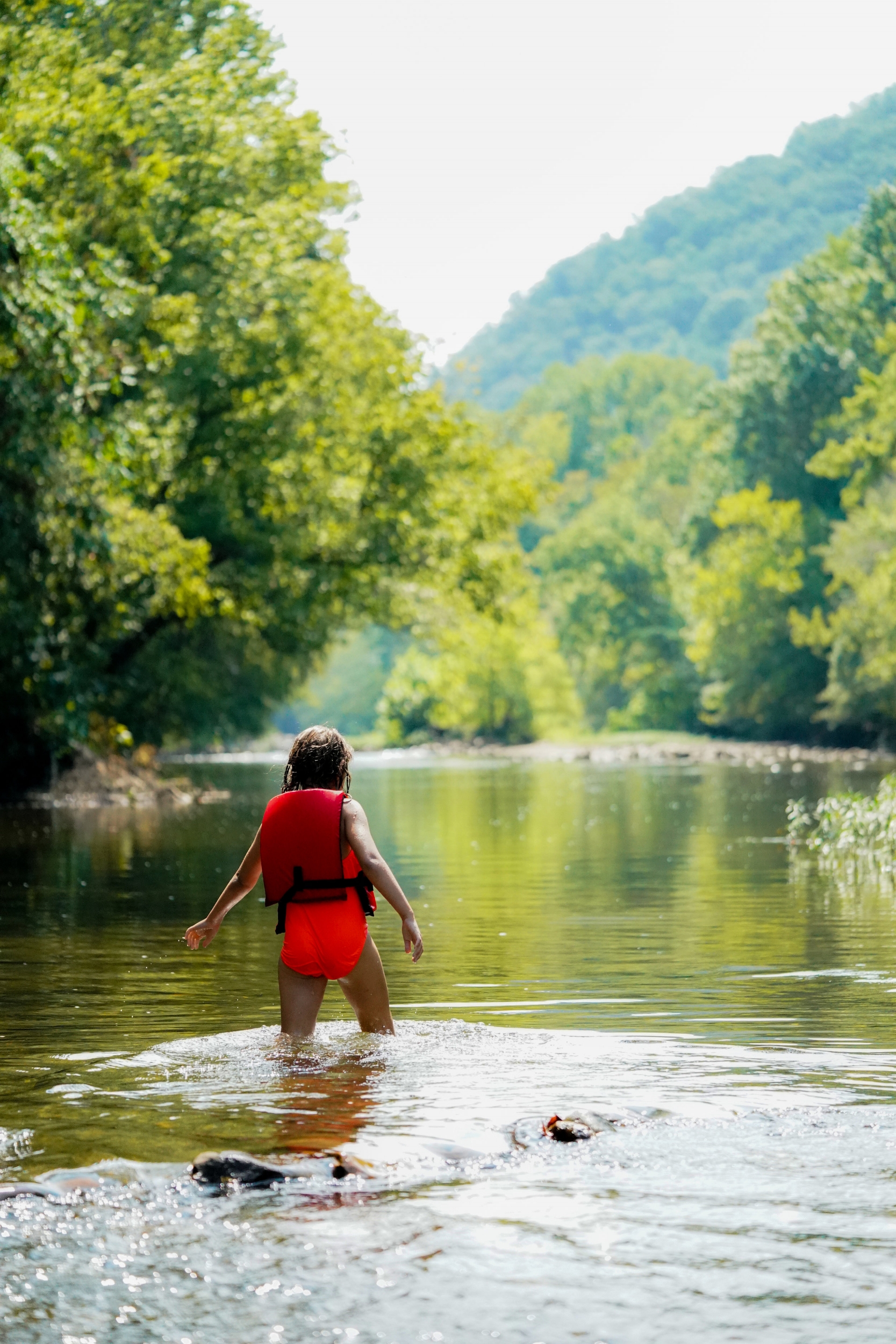
Whether you have tubed the river on a hot summer day or enjoy dipping your toes or dropping a fishing line in its beautiful blue-green water, please consider making a gift to support the programs of the LRWA today. We know that there are many causes competing for your donations, but in the spirit of holiday giving, your gift to the LRWA would be the greatest gift of all toward protecting our local water supply for future generations. Please visit our Web site to make a donation today:
Thank You and Happy Holidays!
The LRWA Board of Directors
FOR IMMEDIATE RELEASE:
June 9, 2010
Jim Jeffries (Alexander) 202-224-8816
Laura Herzog (Corker) 202-224-3467
WASHINGTON – U.S. Senators Lamar Alexander (R-Tenn.) and Bob Corker (R-Tenn.) today introduced the Tennessee Wilderness Act of 2010 that would designate six different areas totaling 19,556 acres as wilderness in the Cherokee National Forest. These areas were recommended for wilderness status by the U.S. Forest Service in the development of its comprehensive 2004 forest plan and have been managed as Wilderness Study Areas since that time (a map of the proposed wilderness areas within the Cherokee National Forest can be found here).
“I grew up hiking in the mountains of East Tennessee and know firsthand that these beautiful landscapes should be preserved for generations to come,” Alexander said. “The bill we are introducing today is an important step in conserving some of the most pristine areas in Tennessee and will strengthen the legacy of Tennessee’s natural heritage.”
“We are blessed in East Tennessee with God-given amenities and an unparalleled natural environment, and the Cherokee National Forest is a prime example,” Corker said. “I thank Senator Alexander for his lifelong commitment to protecting scenic wilderness areas and am proud to join him in this effort to preserve Cherokee National Forest for future generations of Tennesseans and Americans to enjoy.”
Congress began protecting wilderness areas in the Cherokee National Forest in 1975, with additional wilderness areas being established by the Tennessee Wilderness Acts of 1984 and 1986.
The Tennessee Wilderness Act of 2010 specifically creates one new wilderness area and expands the boundaries of five separate existing wilderness areas already within the Cherokee National Forest. Since these areas are owned entirely by the U.S. Forest Service and are being managed as Wilderness Study Areas currently, this bill will have no effect on privately owned lands and will cause no change in access for the public.
The Tennessee Wilderness Act of 2010:
• Creates the 9,038 acre Upper Bald River Wilderness (Monroe County)
• Adds 348 acres to the Big Frog Wilderness (Polk County)
• Adds 966 acres to the Little Frog Wilderness (Polk County)
• Adds 2,922 acres to the Sampson Mountain Wilderness (Washington and Unicoi County)
• Adds 4,446 acres to the Big Laurel Branch Wilderness (Carter and Johnson County)
• Adds 1,836 acres to the Joyce Kilmer-Slickrock Wilderness (Monroe County)
Click Here for a Map of proposed areas for the Tennessee Wilderness Act of 2010
The Watershed Association added new board members in the fall on 2008. Read more about these new folks here.
Our last newsletter was a full page add in the Maryville Daily Times. If you missed it, you can catch up by clicking on the following link:
Fall Newsletter